Explore high-efficiency step-up/step-down solutions engineered for industrial substations, overhead grids, and commercial distributions.
Why modern power grids require highly resilient, compliant, and efficiency-optimized overhead transformers.
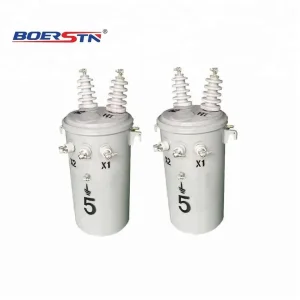
Pole-mounted distribution transformers form the bedrock of grid-edge electrification worldwide. Positioned at the threshold of residential and light industrial distribution networks, they are tasked with scaling utility voltages down to usable service levels. As electrical utility infrastructure faces increasing climate stress, shifting regulatory environments, and grid modernization programs, sourcing decisions have evolved from simple cost-per-kVA calculations to comprehensive Total Cost of Ownership (TCO) evaluations.
Overhead transformers must withstand high wind loads, sudden thermal fluctuations, and ambient impurities. Optimal configurations rely on 100% pure copper or reinforced aluminum winding architectures coated with high-thermal-class insulating varnishes to prevent early breakdown under peak surge conditions.
Global operators mandate conformity with international grids like IEEE C57.12.20 (North America) and IEC 60076 (Europe & international). Compliance dictates testing criteria for BIL (Basic Impulse Insulation Level), short-circuit impedance, and strict environmental parameters regarding non-PCB insulating oil.
Grid integration relies on limiting no-load losses (core loss) and load losses (winding copper loss). Choosing high-permeability grain-oriented silicon steel (CRGO) or amorphous alloy cores yields long-term environmental and financial savings over a standard 30-year operational life.
Understanding regional specifications is critical to ensuring seamless commissioning, safety clearance, and localized grid-interconnection approvals.
| Specification Parameter | IEEE C57.12.20 (ANSI) Standard | IEC 60076 Series (EN / ISO) | CSA C2.1-06 (Canadian Standard) | AS/NZS 60076 (Australian/NZ) | |
|---|---|---|---|---|---|
| Target Regions | North America, Latin America, Caribbean | Europe, Africa, parts of Asia & Middle East | Canada | Australia, New Zealand, Oceania | |
| Typical Frequency | 60 Hz | 50 Hz | 60 Hz | 50 Hz | 50 Hz |
| Tank Protection | Mild/Stainless Steel, Corrosive C5-M rated | Hermetically sealed or conservator tank | Cold-rolled steel with zinc-rich priming | Hot-dip galvanized / Marine marine coatings | |
| Standard kVA Ratings | 10, 15, 25, 37.5, 50, 75, 100, 167 to 500 kVA | 16, 25, 50, 100, 160, 200, 250, 315 to 2500 kVA | 10 to 333 kVA (Single phase) | 10 to 500 kVA (Distribution Class) | |
| Insulation Type | Mineral Oil / High-temp FR3 Ester fluid | Mineral Oil / Synthetic Ester Fluid | Non-PCB Mineral Oil / Bio-degradable | Mineral Oil / High fire-point fluid |
How state-of-the-art precision tools, heavy vertical integration, and materials security enable competitive exports.
As global utilities seek reliable supply paths to support decaying infrastructure upgrades, China’s industrial ecosystem has consolidated into a premier global hub for transformer production. Industry leaders like Henan Pirooz Power Co., Ltd. leverage this highly integrated environment to deliver advanced, fully certified electrical equipment directly to international ports.
China is home to the world's most robust ecosystem for Cold Rolled Grain-Oriented (CRGO) electrical steel and ultra-pure copper conductor refineries. This reliable raw material access insulates buyers from steep raw material market shocks and secures reliable product performance.
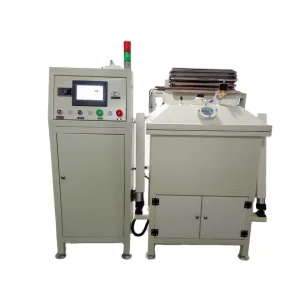
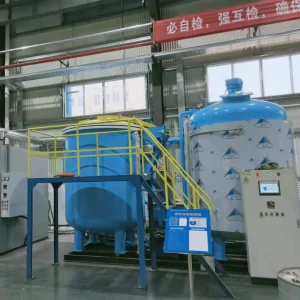
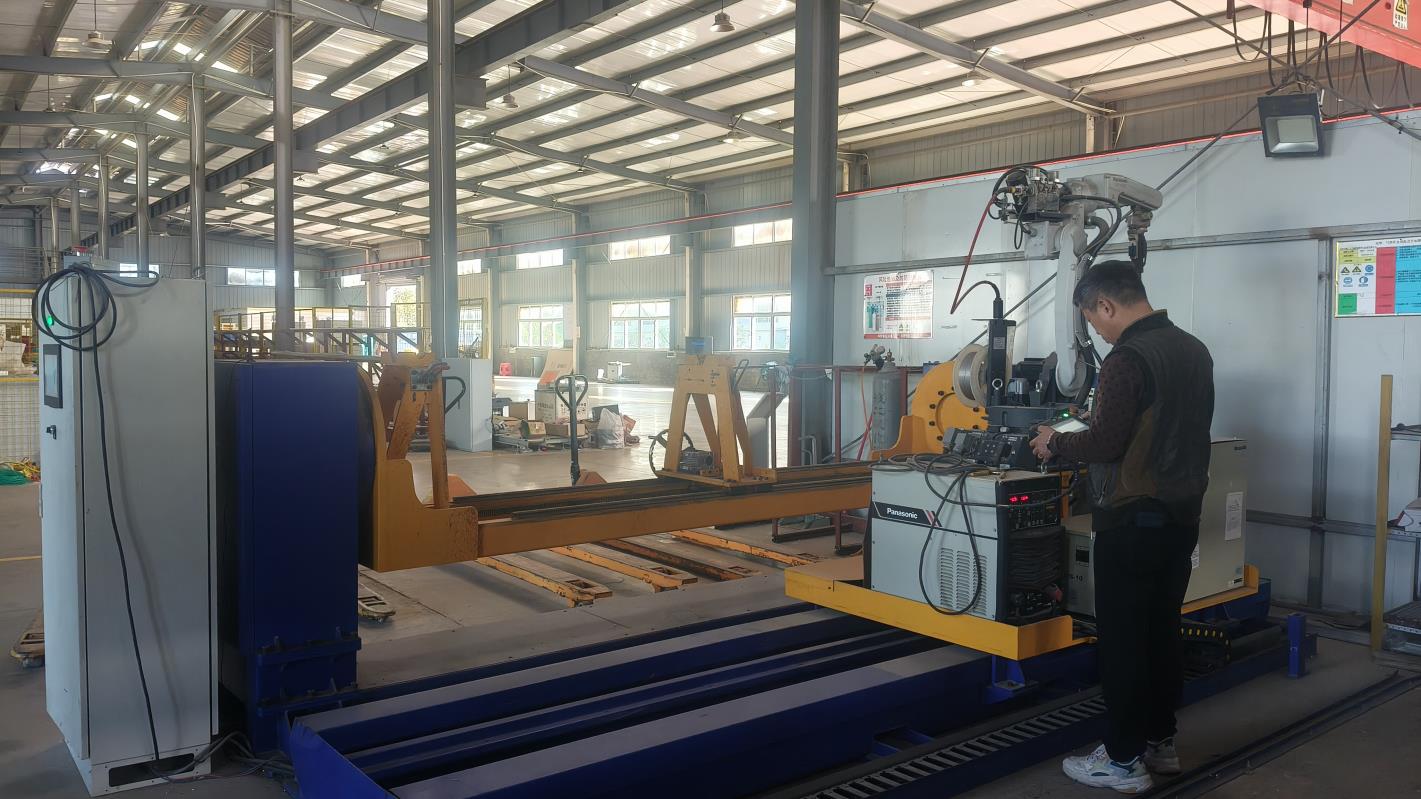
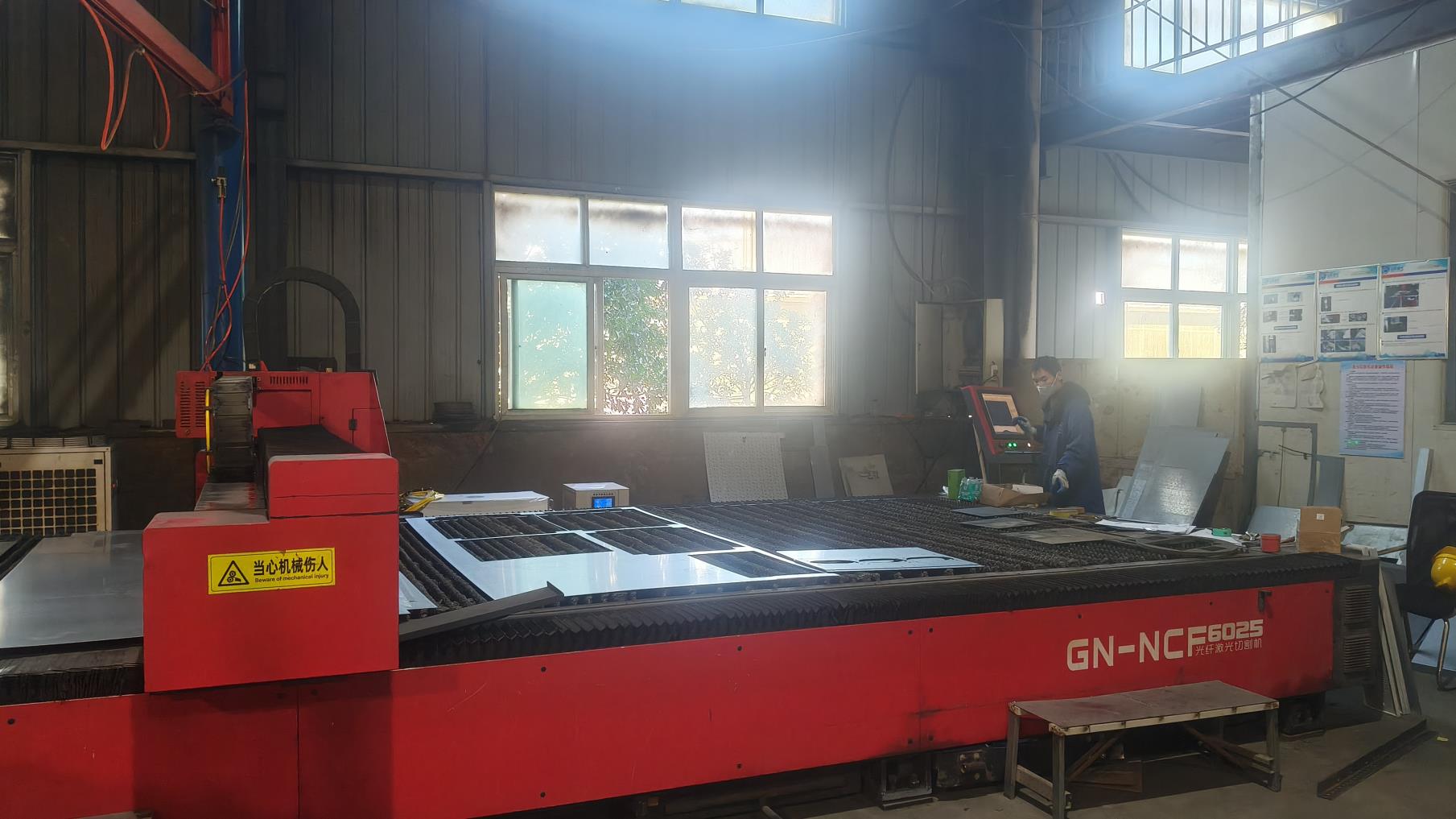
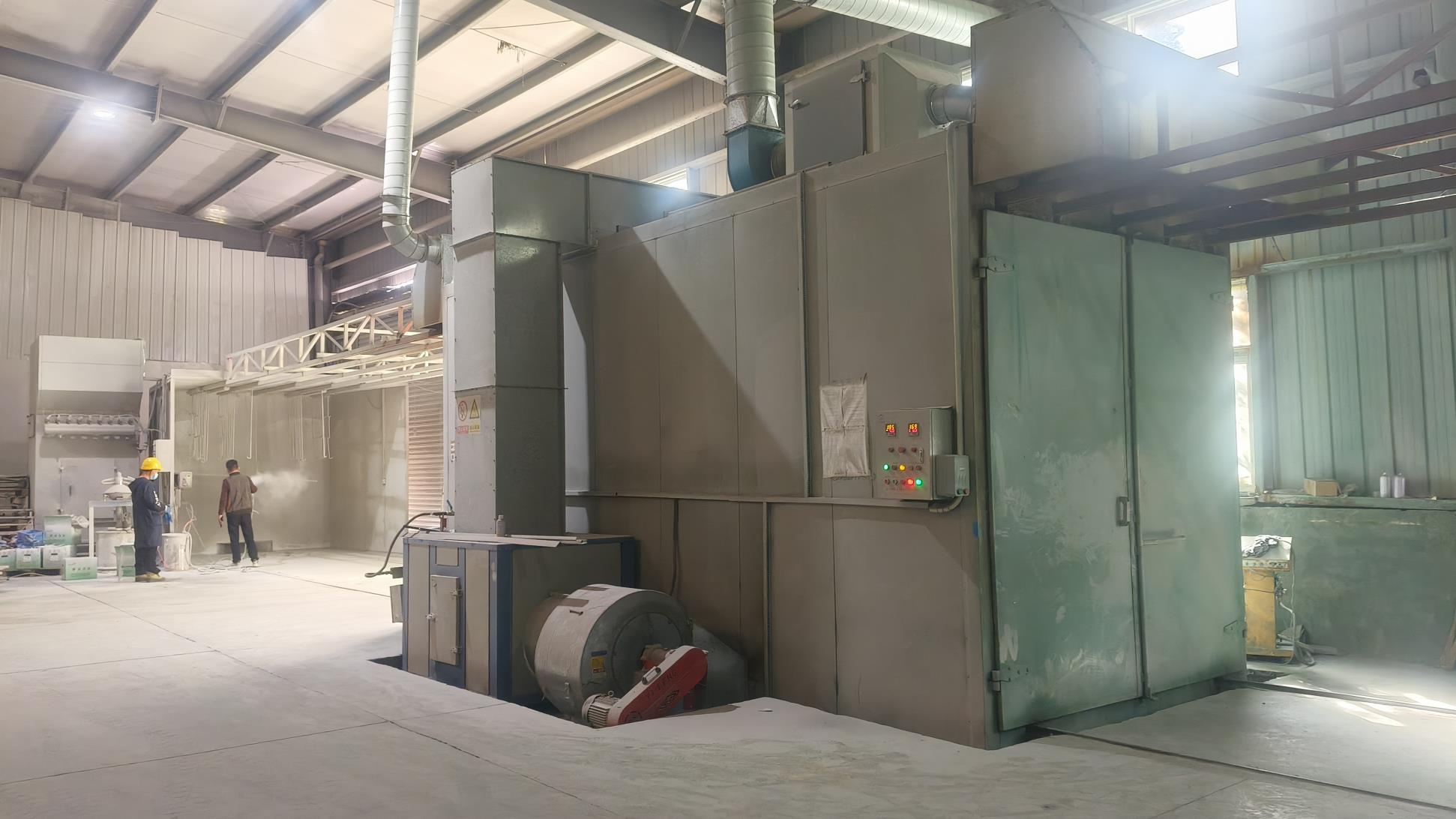
Leading facilities integrate CAD design, automated coil winding, high-velocity laser sheet cutting, robotic arm welding, and automated VPI (Vacuum Pressure Impregnation) varnishing systems under a single quality control standard.
From complex single-phase pole-mounted overhead units to multi-MVA dry-type isolation setups, Chinese engineers swiftly adapt standard configurations to meet regional design criteria, customized vector groups, and varied ambient temperatures.
A comprehensive visual walk-through of our state-of-the-art facilities, engineering phases, precision machineries, and quality validation processes.
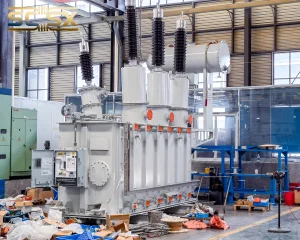
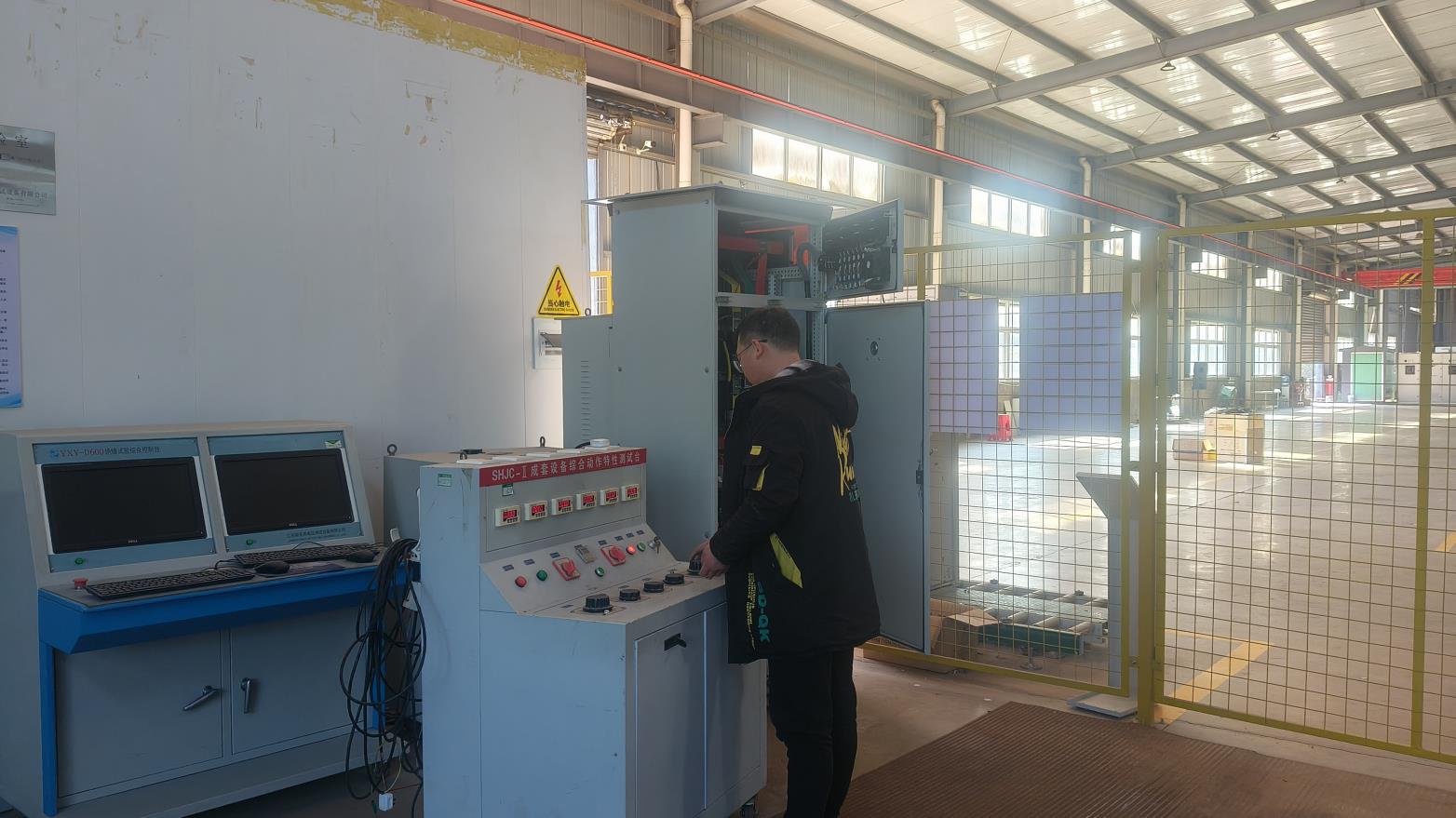
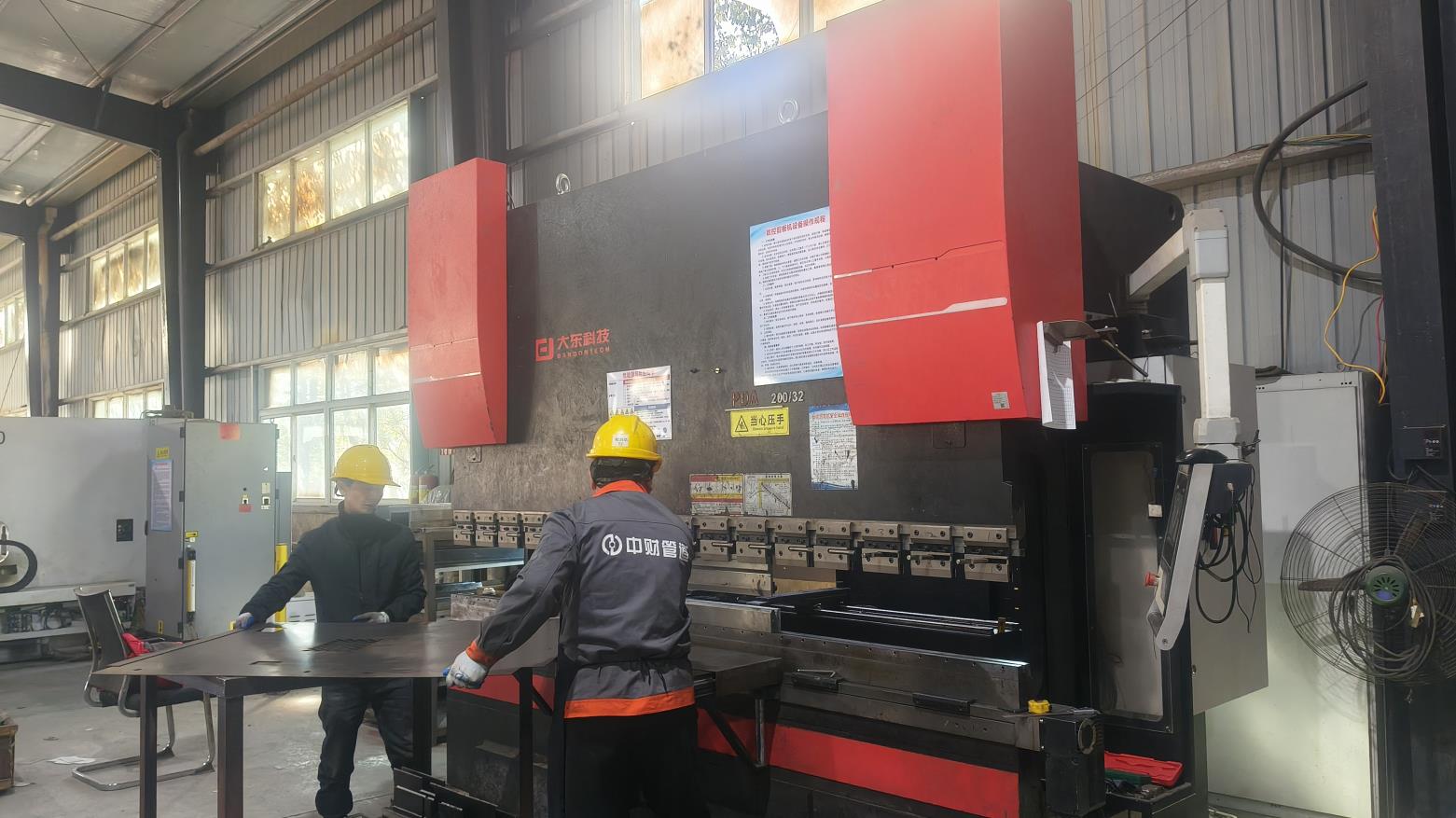
Henan Pirooz Power Co., Ltd. is a comprehensive electrical power equipment manufacturer integrating research and development, engineering design, production, sales, and after-sales service. Operating out of a highly modernized infrastructure, our teams maintain rigorous tolerances at every single checkpoint of the assembly path. Here is a structural breakdown of our manufacturing floor and specialized machinery:
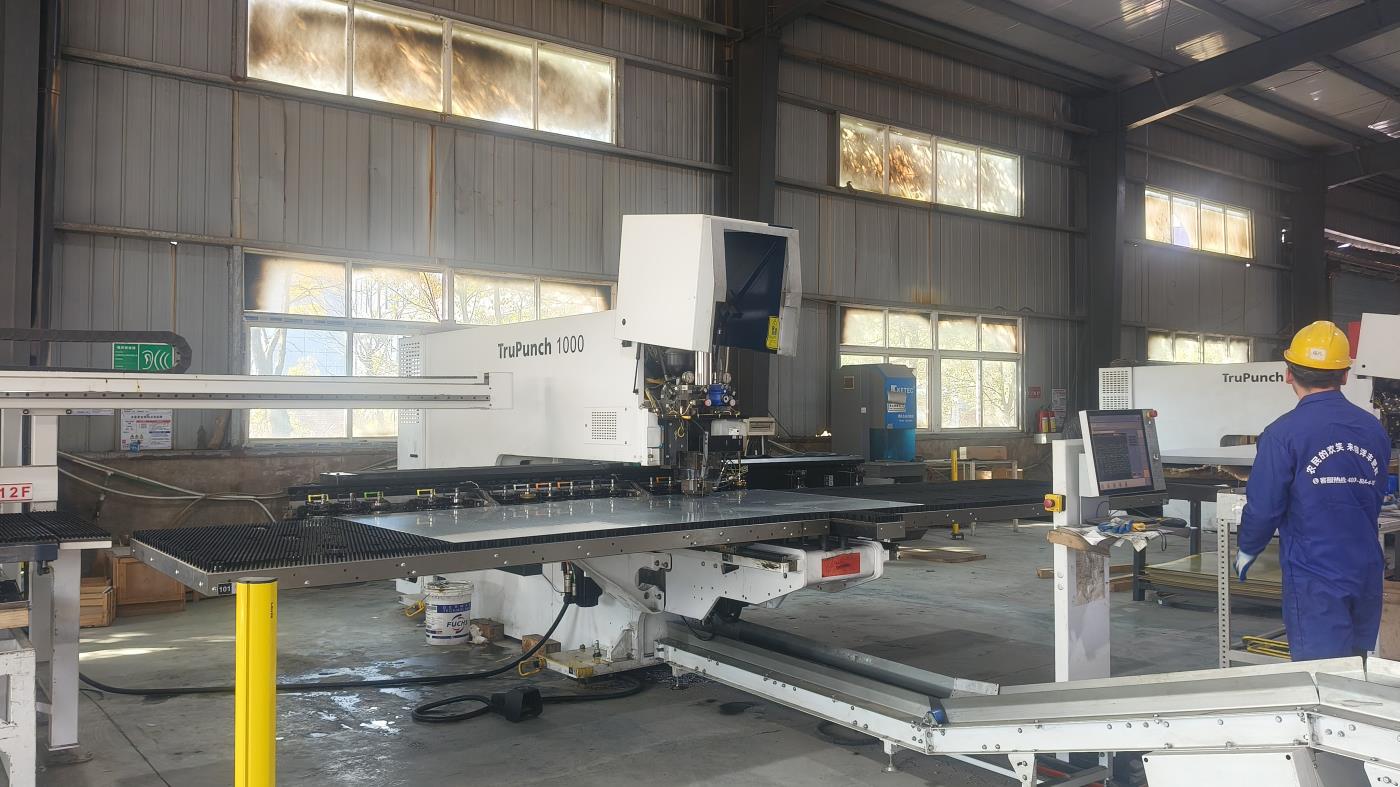
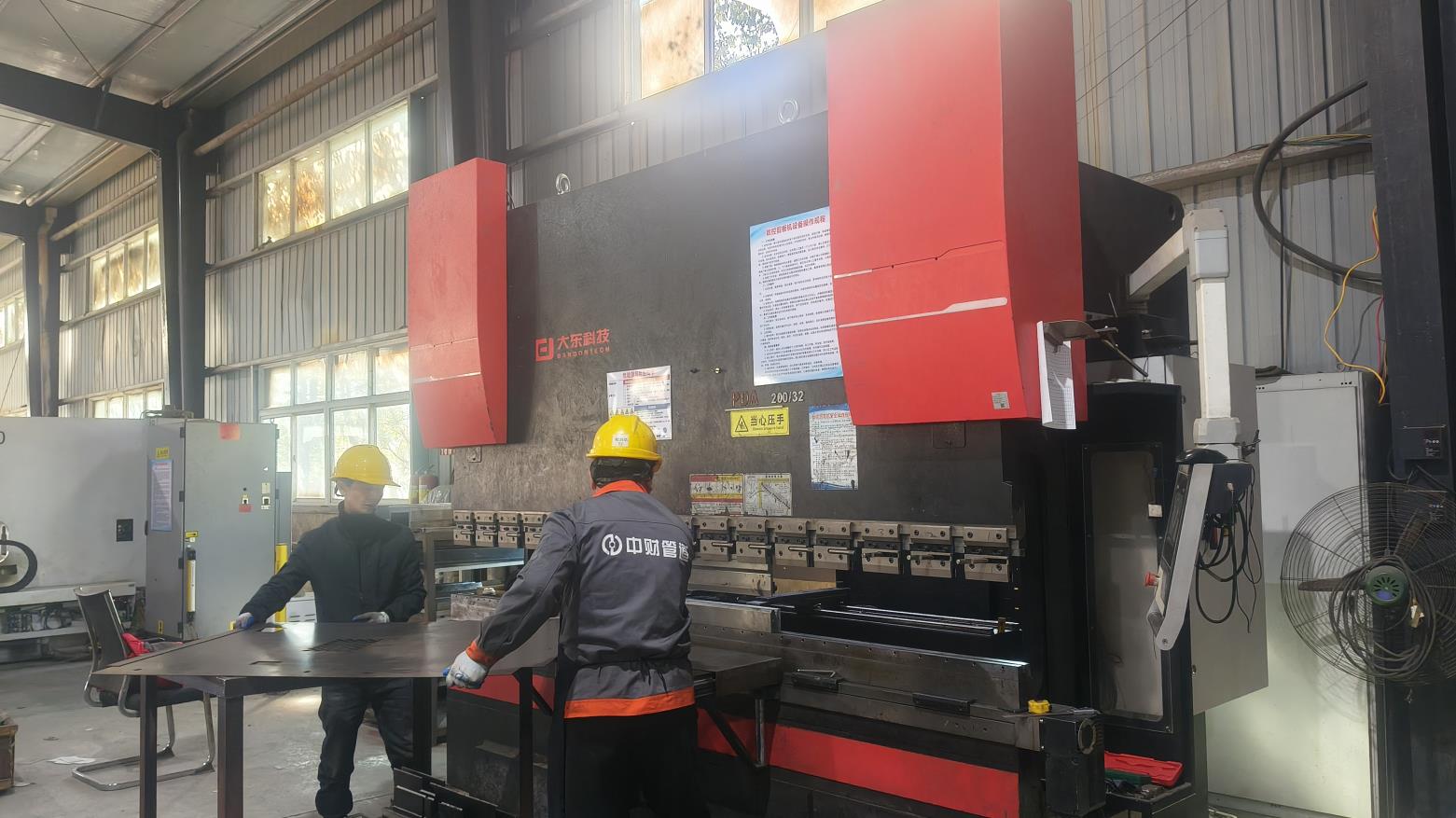
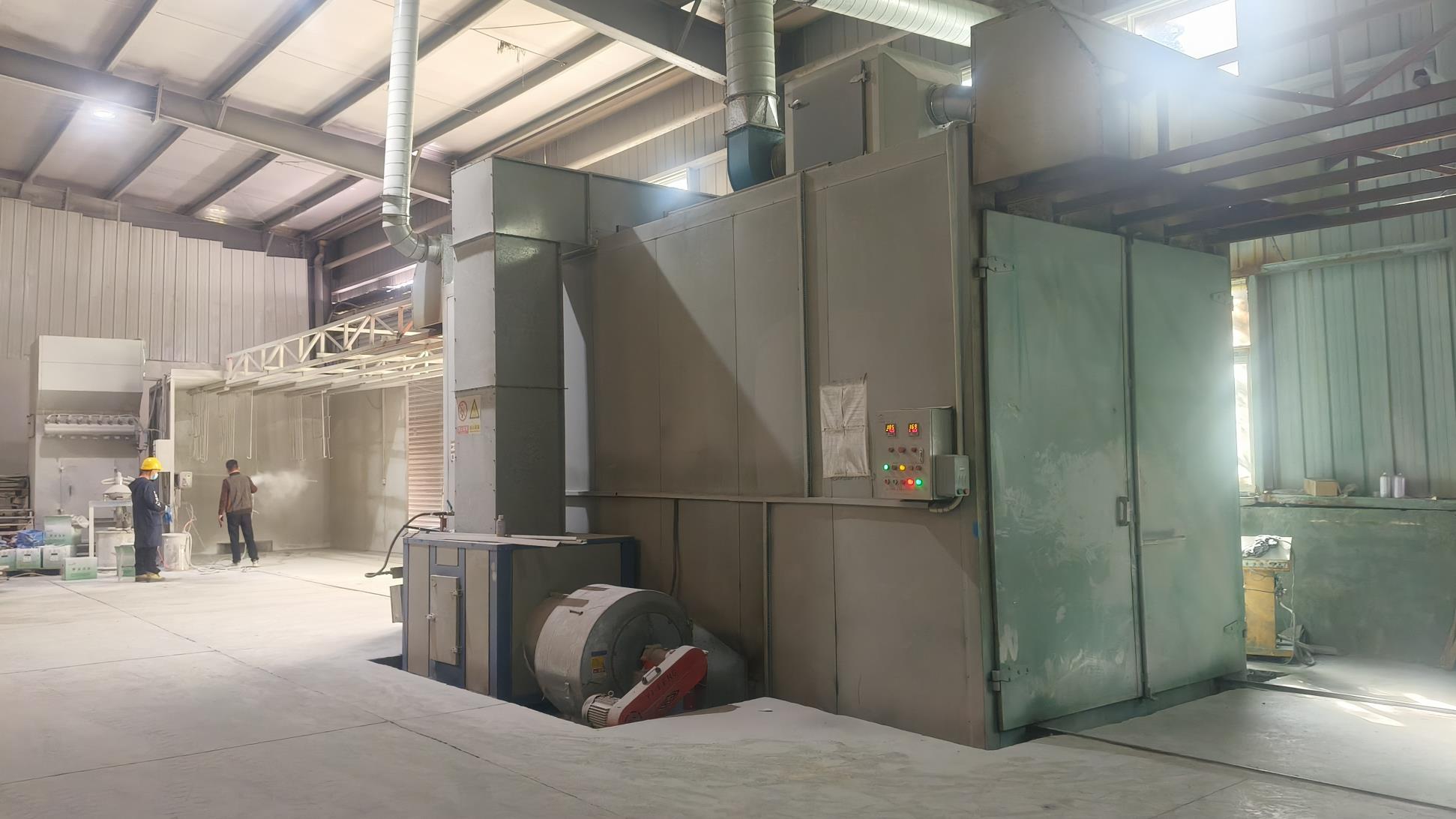
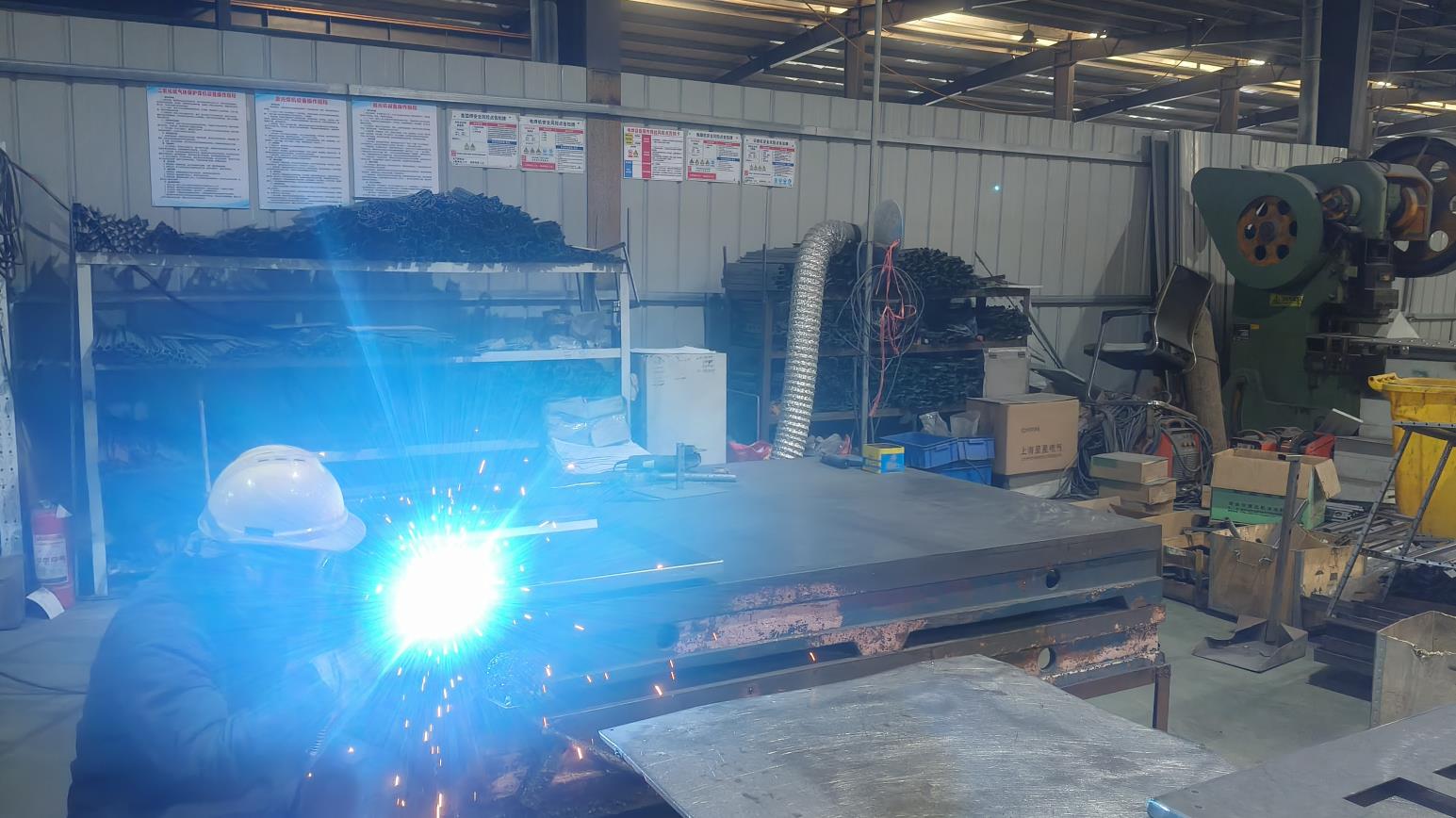
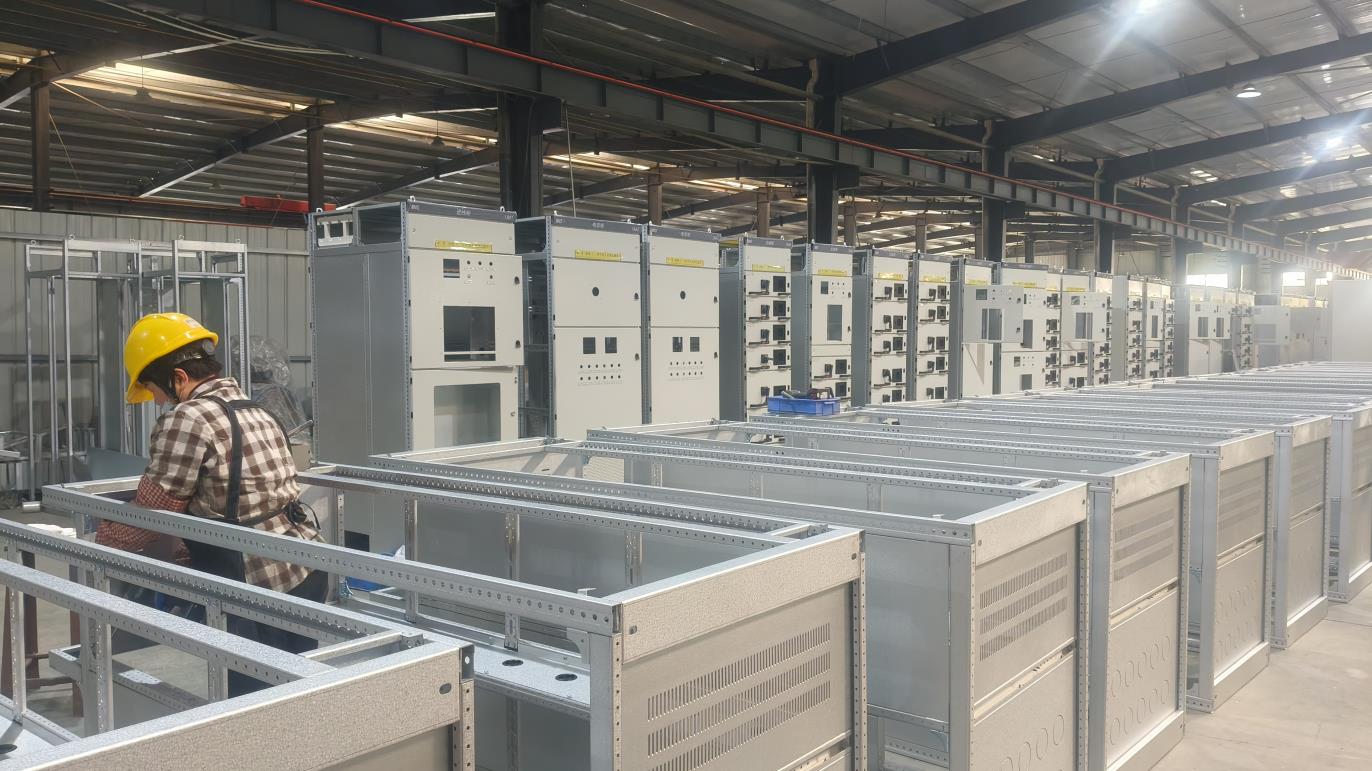
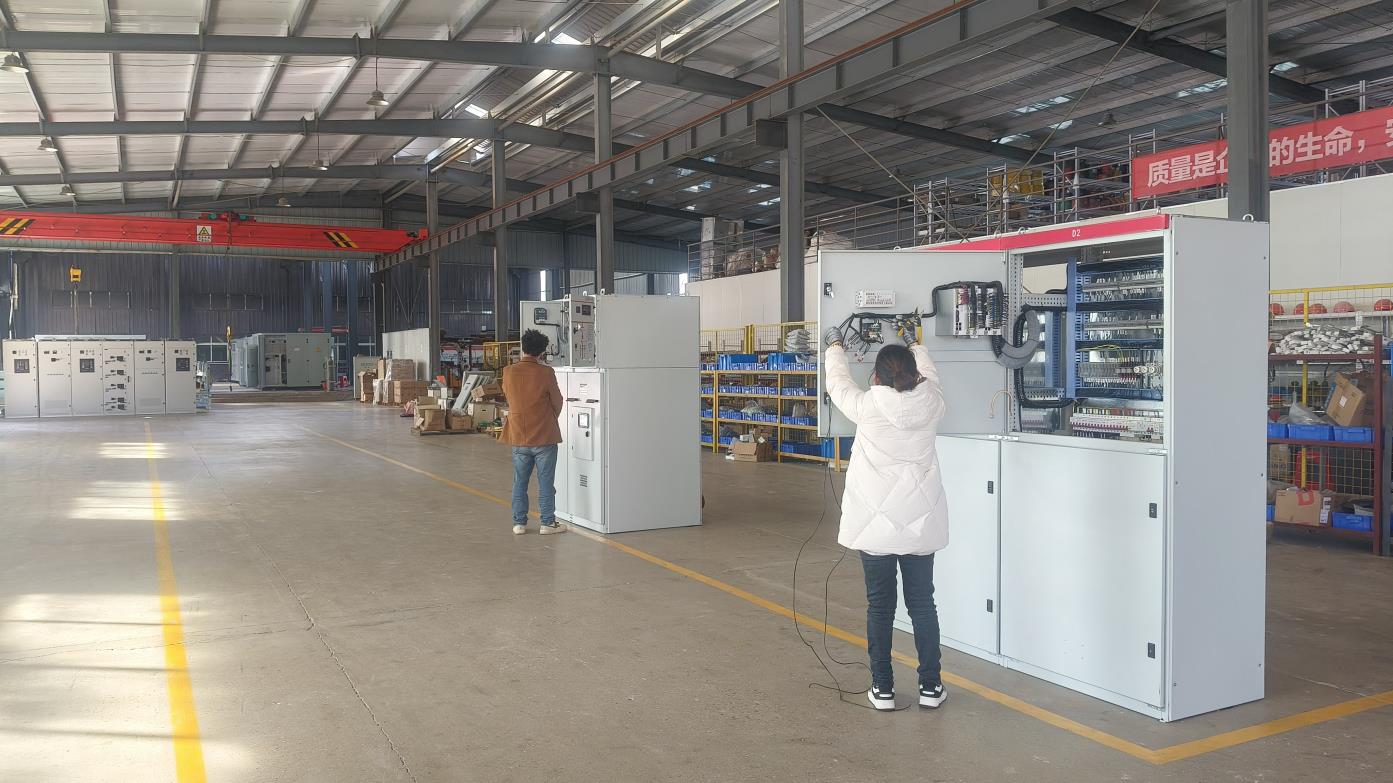
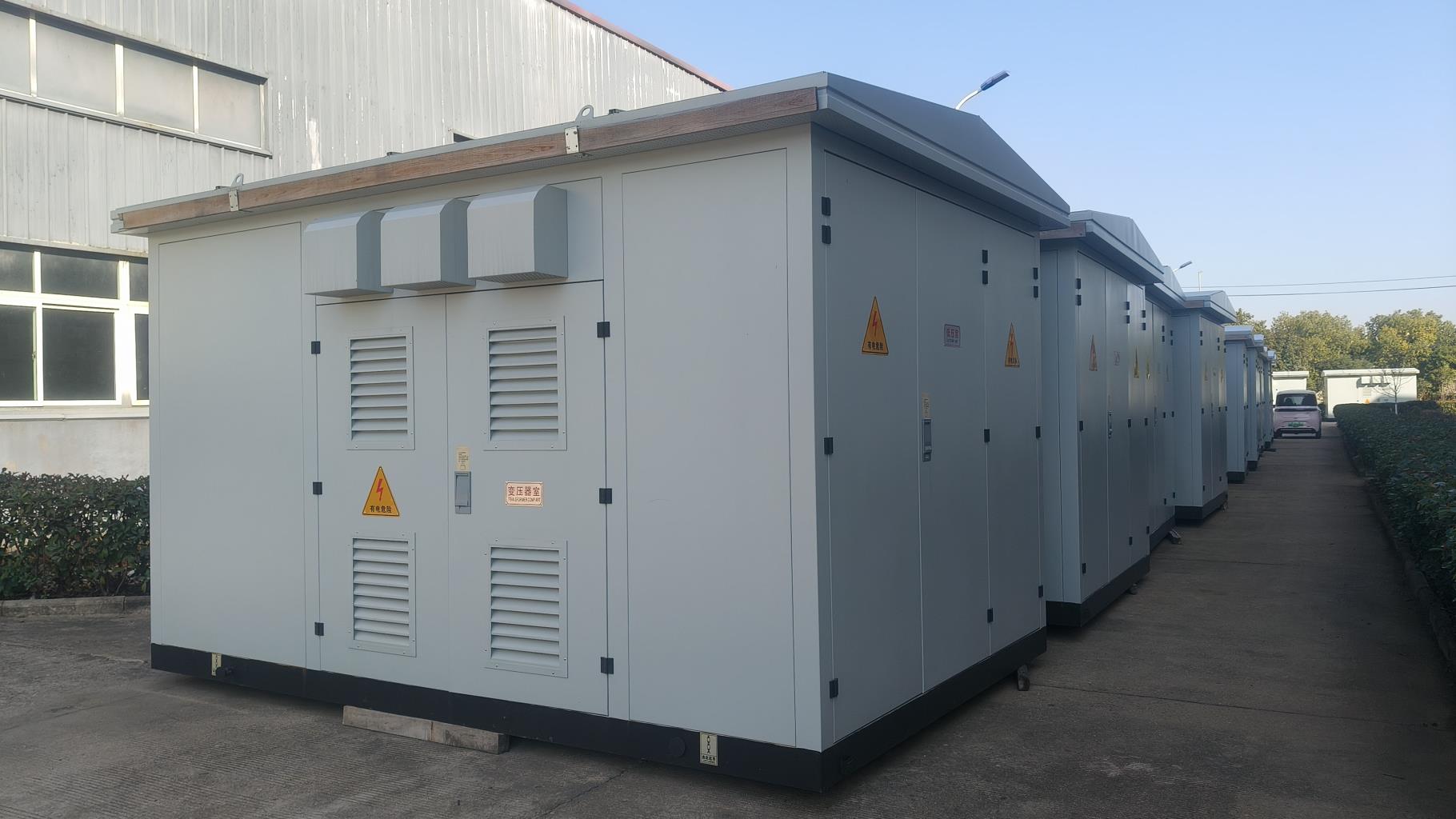
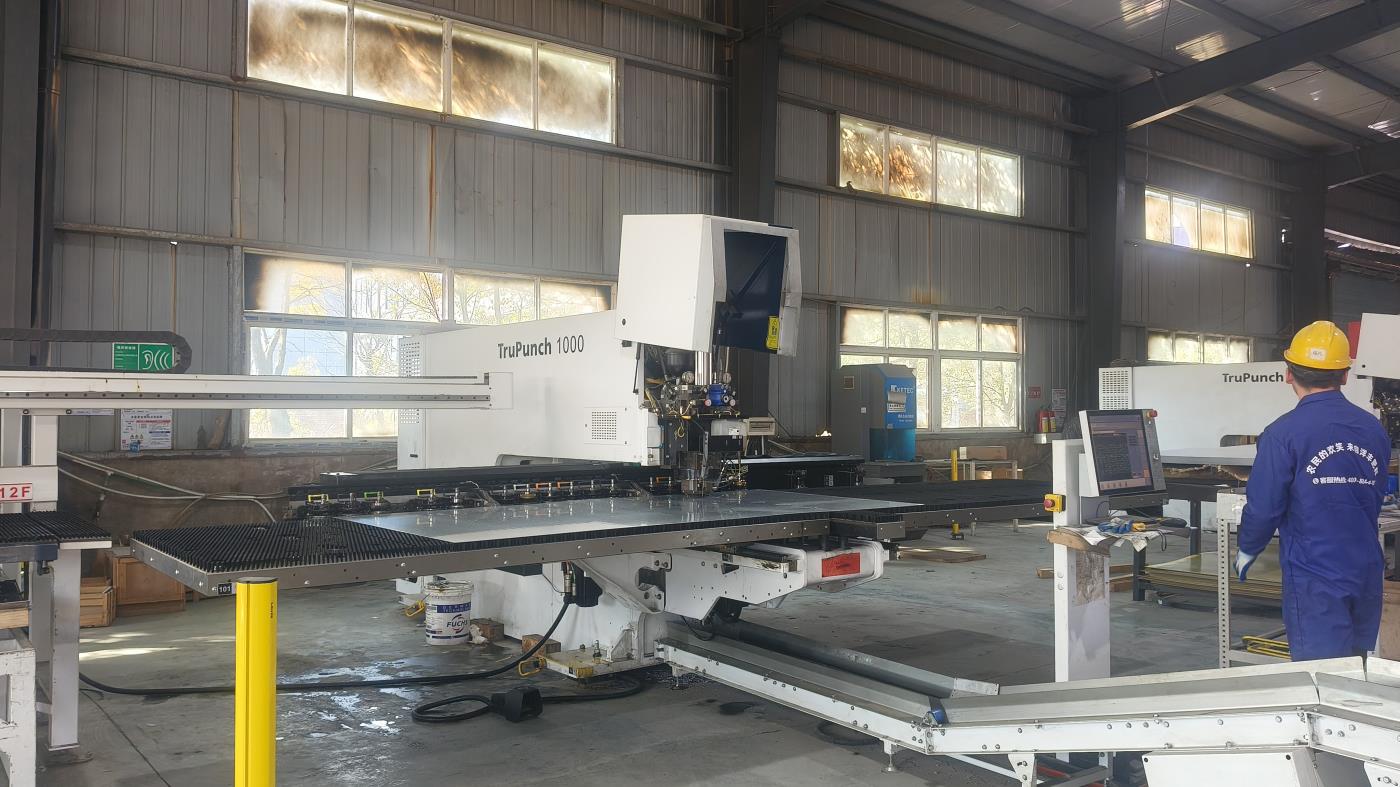
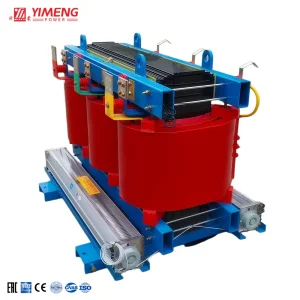
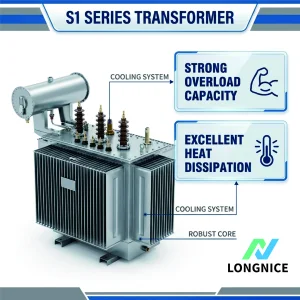
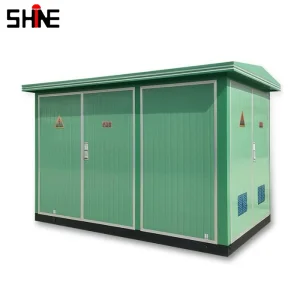
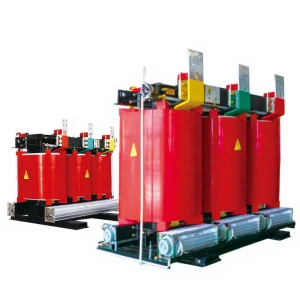
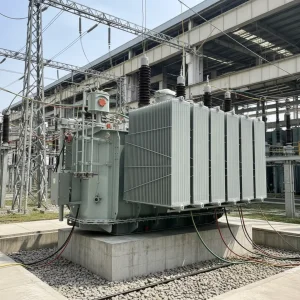
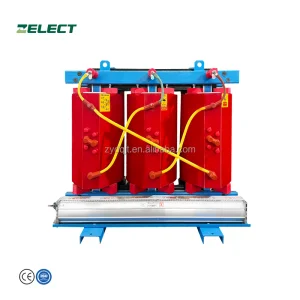
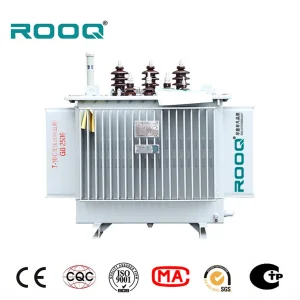
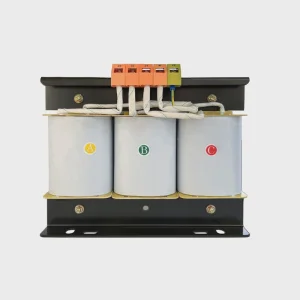
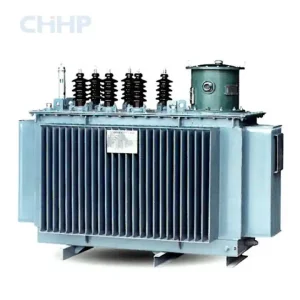
Our core product range includes 10kV–35kV oil-immersed power transformers (such as S11, S13, S14, and S20 series), dry-type transformers (including SCB10, SCB11, SCB13, and SCBH15 series), as well as on-load tap-changing transformers, rectifier transformers, and furnace transformers designed for specialized industrial applications. Beyond units themselves, Henan Pirooz Power Co., Ltd. manufactures integrated solutions including high and low voltage switchgear, European-style compact substations, American-style pad-mounted substations, and underground distribution substations, providing utility companies with cohesive grid solutions.
Different installation environments demand dedicated mechanical features to guarantee prolonged reliability.
Offshore winds carry corrosive salts that degrade outer tanks. In these zones, we supply pole-mounted enclosures built with high-grade 304 or 316L stainless steel, accompanied by double-barrier epoxy powder coatings to shield internal components against chemical scaling and rust.
In dry regions, traditional mineral oil presents fire risks during short circuits. To mitigate this hazard, our engineering teams offer single-phase overhead units pre-filled with high-fire-point, biodegradable natural ester fluid (FR3), significantly reducing spark hazards and mitigating localized liability.
Fitted within tightly populated housing clusters, transformer noise can trigger local complaints. We combat this by utilizing premium, high-permeability laser-scribed CRGO core laminations, which significantly lower harmonic noise levels and limit operational humming.
Get answers to critical technical questions to assist in selecting overhead power distribution equipment.
ANSI/IEEE standards (predominant in North America) focus heavily on single-phase configurations with standardized physical dimensions, specific bushing placement (radial/loop feed configurations), and standard thermal class limits (typically 65°C average winding rise). IEC standards (common in European and international markets) typically specify three-phase units, focusing heavily on hermetically sealed tanks, breathing apparatuses, and distinct loss categorization (Ao, Bo, Co classifications for no-load and load loss characteristics).
The core material dictates the constant "no-load losses" that occur as long as the transformer is energized, regardless of consumer demand. Conventional silicon steel cores provide a lower initial purchase price. However, Amorphous Alloy cores (such as our SCBH15 series) reduce no-load losses by up to 70% to 80% compared to standard steel. Over a 25-to-30-year deployment lifecycle, amorphous core systems often yield substantial financial paybacks for utility networks.
To receive an engineered proposal, specify: (1) Rated Capacity (kVA); (2) Primary and Secondary Voltage; (3) Frequency (50Hz or 60Hz); (4) Vector Group or Connection Type (e.g., Dyn11, Ynd11); (5) Vector BIL (Basic Impulse Level); (6) Tap Changer Type (Off-circuit or On-load tap changer) and range (e.g., ±2x2.5%); (7) Environmental constraints (salinity, altitude, temperature extremes); and (8) Required standards compliance (IEEE, IEC, CSA).
Every single distribution transformer undergoes a rigorous testing protocol: winding resistance measurement, voltage ratio checks, phase displacement validation, no-load loss and load loss testing, applied voltage test, induced overvoltage test, and complete oil leak testing. Type testing (heat run, impulse testing, and short-circuit capability) is also performed periodically to validate our designs.
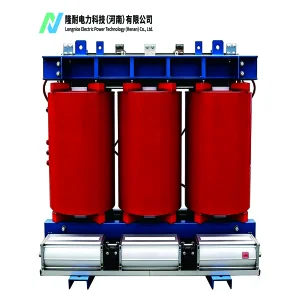
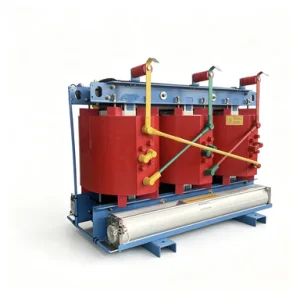
A selection of dry-type isolation setups, compact pad-mount substations, and VPI manufacturing machinery.
 Pirooz Power