Dry type transformers are essential in modern electrical distribution systems. However, they face significant risks from lightning surges. The National Fire Protection Association reports that lightning causes thousands of fires each year, impacting electrical infrastructure. Understanding how to protect dry type transformers from lightning surges is vital for ensuring system reliability.
According to recent industry studies, nearly 20% of transformer failures result from surge damage. This highlights the importance of implementation measures that can mitigate these risks. Professionals in the field recommend using surge protective devices (SPDs) as a first line of defense. These devices can effectively lower the voltage during a surge, protecting sensitive equipment.
Enhancing grounding systems is another effective method to safeguard transformers. An optimized grounding system can significantly redirect surges away from transformers. Yet, without proper periodic assessments, vulnerabilities may persist. It's crucial for engineers and project managers to regularly review and update protection strategies. Emphasizing these protective measures can lead to improved longevity and performance of dry type transformers in unpredictable weather conditions.
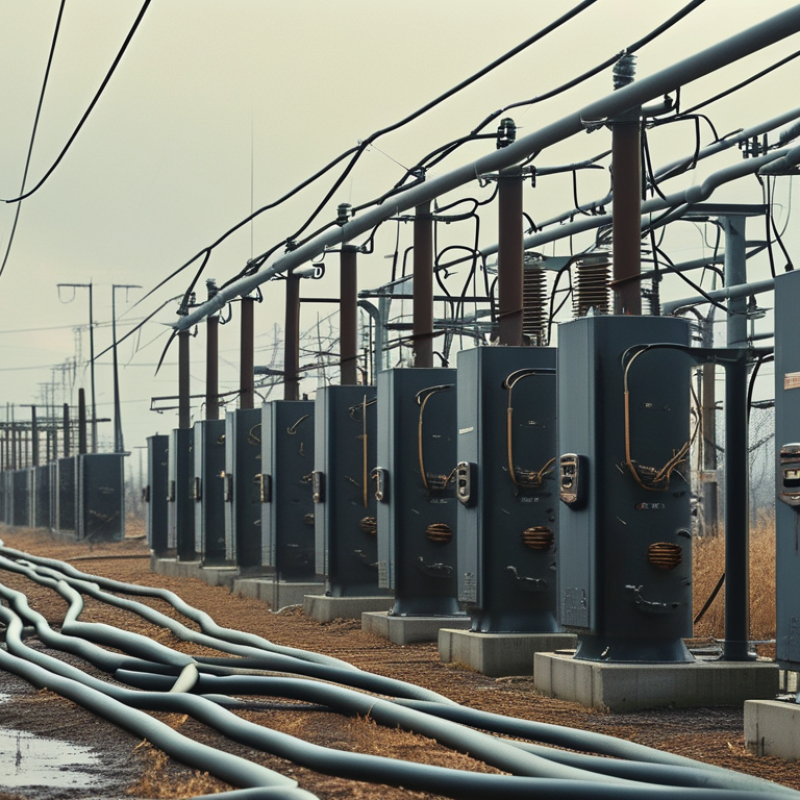
Dry type transformers are essential components in electrical systems, known for their safety and efficiency. However, they are not immune to environmental threats, especially lightning surges. Research indicates that up to 80% of transformer failures can be traced back to electrical surges, underscoring the need for robust protective measures. Whereas they are generally more resilient than oil-filled transformers, dry type units can still suffer severe damage from a direct lightning strike.
To mitigate such risks, understanding their construction is crucial. A dry type transformer uses air instead of oil for cooling and insulation. While this offers advantages, the lack of liquid insulation makes them susceptible to high-voltage spikes. A study by the Institute of Electrical and Electronics Engineers (IEEE) highlights that lightning can induce surges exceeding 2,500 volts. Such numbers make proper surge protective devices (SPDs) essential.
Installation of effective SPDs is recommended. These devices help redirect excess voltage to the ground, reducing the risk of catastrophic failures. Additionally, the grounding systems should be checked regularly. An inadequate grounding system can increase the vulnerability of transformers to lightning damage. Adopting these strategies increases overall reliability and longevity of dry type transformers in electrical networks.
: Grounding dissipates lightning surges safely into the earth, preventing damage.
A grounding resistance of less than 5 ohms is often recommended for transformers.
Soil resistivity varies widely, which can create unexpected grounding issues.
Grounding systems should be tested for integrity at least once a year.
Check the SPD ratings and response times to ensure compatibility with the transformer.
SPDs should be as close to the transformer as possible for maximum protection.
Regular checks can identify issues that may lead to failures during crucial times.
Inadequate evaluation may lead to ineffective protection against surges.
Using multiple electrodes can reduce grounding resistance and enhance safety.
Consider how often transformers are assessed and whether maintenance is prioritized enough.
To protect dry type transformers from lightning surges, it is crucial to understand their vulnerabilities and the associated risks posed by electrical surges. Lightning can severely damage these transformers, leading to costly repairs and downtime. Therefore, implementing effective grounding techniques is essential. Proper grounding can significantly reduce the impact of lightning strikes, ensuring that surge currents are safely directed away from sensitive equipment.
Additionally, the installation of surge protective devices specifically designed for dry type transformers plays a critical role in safeguarding these assets. Regular inspection and maintenance are also vital to ensure that all protective measures remain functional and effective over time. By following these strategies, facility managers can significantly enhance the resilience of their electrical systems and effectively learn how to protect dry type transformers from lightning surges.

 Pirooz Power