Why Do Oil Immersed Transformers Require a Conservator Tank?

Time:2026-07-16 Author:Aria
0%

Oil immersed transformers play a crucial role in modern electrical systems. They efficiently manage voltage levels and enhance power transmission. However, their operation presents unique challenges, particularly concerning insulation and heat management. This leads us to explore why do oil immersed transformers need a conservator tank.

A conservator tank is essential for maintaining oil levels and ensuring thermal expansion. As the transformer operates, the oil heats up, expanding in volume. Without a conservator, pressure can build up, risking damage. Moreover, the conservator helps in absorbing any moisture. Water contamination can degrade oil quality and affect performance.

Addressing these issues not only preserves functionality but also enhances reliability. This emphasis on proper maintenance shows the complexity of transformer design. Understanding the role of a conservator tank is vital for engineers. It ensures that transformers perform safely and effectively in diverse conditions.
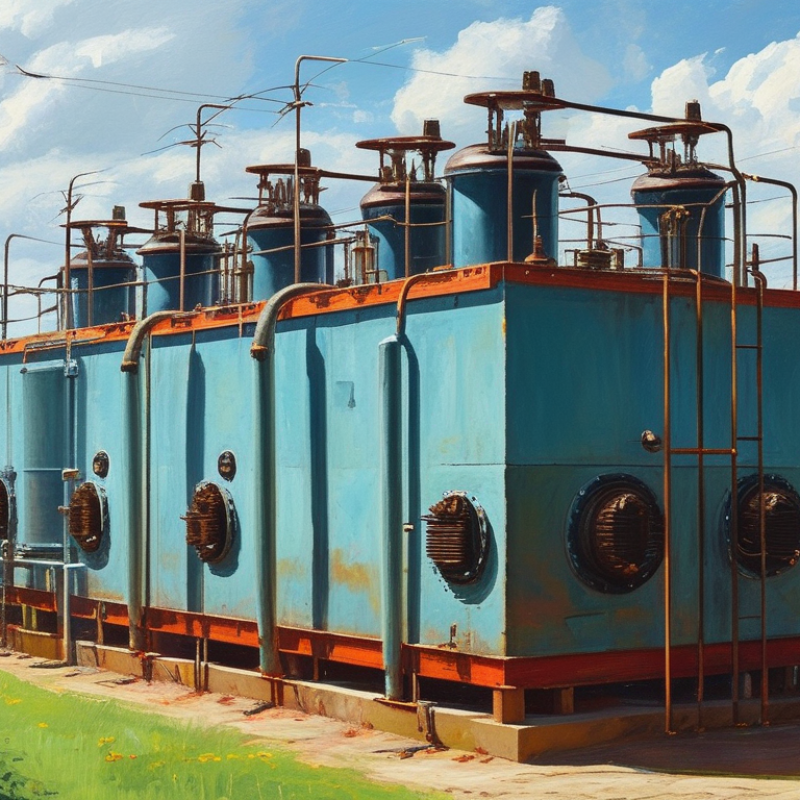
Why Do Oil Immersed Transformers Require a Conservator Tank?

Understanding Oil Immersed Transformers and Their Components

Oil immersed transformers are vital components in electrical systems. They help manage and regulate voltage levels effectively. One crucial aspect of these transformers is the conservator tank. This tank plays a significant role in maintaining the oil level and ensuring the transformer's efficiency.


The conservator tank serves as a reservoir for the insulating oil. As temperature fluctuates, oil expands and contracts. Without this tank, pressure changes could damage the transformer. It prevents air from entering the system, which might cause contamination. This preservation is essential for the longevity of the transformer.


Regular checks of the conservator tank are necessary. Fluid levels should be monitored closely. Any sign of leakage or rust could indicate a problem. Maintenance is often overlooked, but it can prevent costly repairs. Understanding the components of oil immersed transformers, like the conservator tank, is crucial for optimal performance.

Function of Conservator Tanks in Oil Immersed Transformers

The conservator tank is essential in oil immersed transformers. It serves as a buffer to accommodate oil expansion and contraction due to temperature changes. Transformer oil can expand significantly with overheating, sometimes by as much as 10% according to industry data. The conservator allows for this expansion without risking oil spillage or pressure build-up in the main tank.


In addition to managing oil volume, the conservator tank also helps to maintain oil quality. By using a sealed design, it minimizes the introduction of moisture and contaminants. A moisture content as low as 50 parts per million (ppm) can significantly extend the lifespan of the transformer. Regularly monitoring oil levels and conditions in the conservator can prevent operational failures. Neglecting this aspect may lead to costly outages.


Despite these advantages, conservator tanks can pose challenges. Corrosion can develop over time, especially if the tank is not maintained correctly. Issues sometimes arise from improper sealing or connections, causing leaks. Thorough regular inspections and maintenance are crucial to avoid these pitfalls. Investing in proper upkeep is necessary for reliability and longevity.

Benefits of Using Conservator Tanks for Transformer Performance

Oil immersed transformers utilize conservator tanks to enhance overall efficiency and performance. These tanks serve as an essential component in managing oil levels. As temperature fluctuates, oil expands and contracts. The conservator tank allows for this oil movement without pressure build-up. Reports indicate that over 80% of transformer failures are related to insulation breakdowns, often caused by moisture. The conservator effectively minimizes moisture ingress, thereby increasing the transformer's lifespan and reliability.

The presence of a conservator tank can also improve the cooling efficiency of transformers. Cooling oil circulates between the tank and transformer, ensuring optimal temperature management. Studies show that maintaining a consistent oil temperature can increase the transformer's operational efficiency by up to 30%. Improved thermal management leads to reduced overheating risks. This ensures that transformers function within their designed parameters, improving performance over time.

In practice, not all conservator designs achieve the same efficiency. Some systems may face challenges in maintaining the desired oil levels, leading to suboptimal performance. Regular inspections and maintenance practices are crucial to ensuring these tanks function as intended. Operators must remain vigilant to avoid potential issues that could arise from neglecting this vital component. Emphasizing the importance of conservator tanks is essential to achieving long-term transformer reliability.

Maintenance Considerations for Conservator Tanks

Conservator tanks are crucial for oil immersed transformers. They play a significant role in maintaining the oil level. Temperature changes cause oil expansion and contraction. Without a conservator tank, these fluctuations can lead to pressure variations. The conservator acts as a buffer, preventing excess pressure on the transformer.

Regular maintenance of these tanks is essential. Inspecting for leaks is critical; even small leaks can cause significant issues. It is also important to check the oil level regularly. Deterioration of the insulating oil can compromise the transformer's performance. Water contamination is another main concern. Using moisture sensing devices can help in detecting issues early.

Details like ensuring proper ventilation for the conservator tank can enhance performance. Over time, some maintenance practices might not reflect current technology. Keeping up-to-date with best practices is vital. Frequent training for maintenance staff can boost knowledge. Mistakes can happen, and reflection on past practices is necessary for improvement.

Impact of Temperature Changes on Oil Management in Transformers

Oil-immersed transformers often operate in environments with fluctuating temperatures. These temperature changes directly impact the oil management system. As the temperature rises, transformer oil expands. This expansion can lead to increased pressure within the conservator tank, potentially causing leaks or ruptures.

When the temperature drops, the oil contracts, creating a vacuum. This might allow air to enter the system. Air can introduce moisture and contaminants into the oil, degrading its insulation properties. The oil's condition is critical for the transformer's overall performance and lifespan. Regular monitoring and maintenance are essential to address these challenges.

Even the best designs cannot eliminate all risks. A slight oversight in temperature management could lead to significant issues. It is vital to have a robust oil management strategy in place. Understanding how temperature fluctuations affect oil is key for reliability. Proper training and experience are crucial in handling these systems effectively.

Temperature Impact on Oil Management in Transformers

This bar chart illustrates the average oil temperature in transformers across different seasons. The data emphasizes the importance of proper oil management, especially during extreme temperature changes, highlighting the role of a conservator tank in maintaining optimal transformer performance.

FAQS

: What is the role of a conservator tank in an oil immersed transformer?

: The conservator tank helps manage oil expansion and contraction due to temperature changes, preventing pressure buildup.

Why is monitoring the oil level in the conservator tank important?

Regular monitoring prevents operational failures and extends the transformer’s lifespan by avoiding leaks and contamination.

What happens if the conservator tank is neglected?

Neglect can lead to costly outages and repairs due to leaks or deterioration of the insulating oil.

How does temperature affect the oil in the transformer?

Oil expands with heat, sometimes by 10%, necessitating the presence of a conservator tank to accommodate this change.

What can cause corrosion in the conservator tank?

Poor maintenance or improper sealing can lead to corrosion and leaks, compromising the transformer's integrity.

How can moisture affect transformer performance?

Water contamination can deteriorate oil quality, leading to reduced performance and potentially damaging the transformer.

What maintenance practices should be implemented for conservator tanks?

Regular inspections for leaks, checking oil levels, and ensuring proper ventilation are crucial for effective maintenance.

Why is it necessary to stay updated on maintenance practices?

Technology evolves, and outdated practices may lead to inefficiencies or overlooked issues, impacting reliability.

What can be done to improve maintenance staff knowledge?

Frequent training sessions can update staff on best practices, enhancing their expertise and understanding of potential issues.

How can small issues turn into significant problems?

Even small leaks, if ignored, can escalate, leading to major operational failures and more expensive repairs in the future.

Conclusion

Oil immersed transformers are integral components in electrical systems, and understanding their design is crucial. A conservator tank plays a vital role in these transformers by maintaining the oil level and ensuring proper insulation and cooling. So, why do oil immersed transformers need a conservator tank? The conservator allows for the expansion and contraction of the oil as temperatures fluctuate, which helps manage pressure and prevents potential leaks or damage.

Additionally, the conservator tank enhances the overall efficiency and longevity of the transformer by providing a reserve of oil that can accommodate changes in volume due to thermal expansion. Regular maintenance of the conservator tank is essential, as it ensures optimal performance and mitigates risks related to oil degradation and contamination. Understanding these elements highlights the importance of conservator tanks in safeguarding transformer functionality and longevity in varying temperature conditions.

Aria

Aria

Aria is a dedicated marketing professional with a deep passion for innovative strategies and a keen understanding of our company's product offerings. With a wealth of experience in the industry, Aria excels at crafting engaging content that highlights the unique features and benefits of our......