Moisture poses a significant risk to oil immersed transformer insulation. Understanding "why is moisture dangerous for oil immersed transformer insulation" is critical for maintaining transformer efficiency and longevity. An industry expert, Dr. Emily Tran, states, “Moisture accelerates insulation degradation, leading to failures.” Her insights highlight the urgency of addressing moisture levels in transformers.
When moisture infiltrates transformer insulation, it can cause chemical reactions. These reactions lead to the breakdown of insulation materials. The resulting degradation increases the risk of electrical failures and short circuits. This situation can result in costly outages and safety hazards.
Transformer maintenance programs must prioritize monitoring moisture levels. However, many operators overlook this critical aspect, assuming oil insulation is sufficient. This assumption can lead to unexpected failures. Identifying moisture as a high-risk factor is essential. Addressing this issue can greatly enhance transformer reliability and safety.
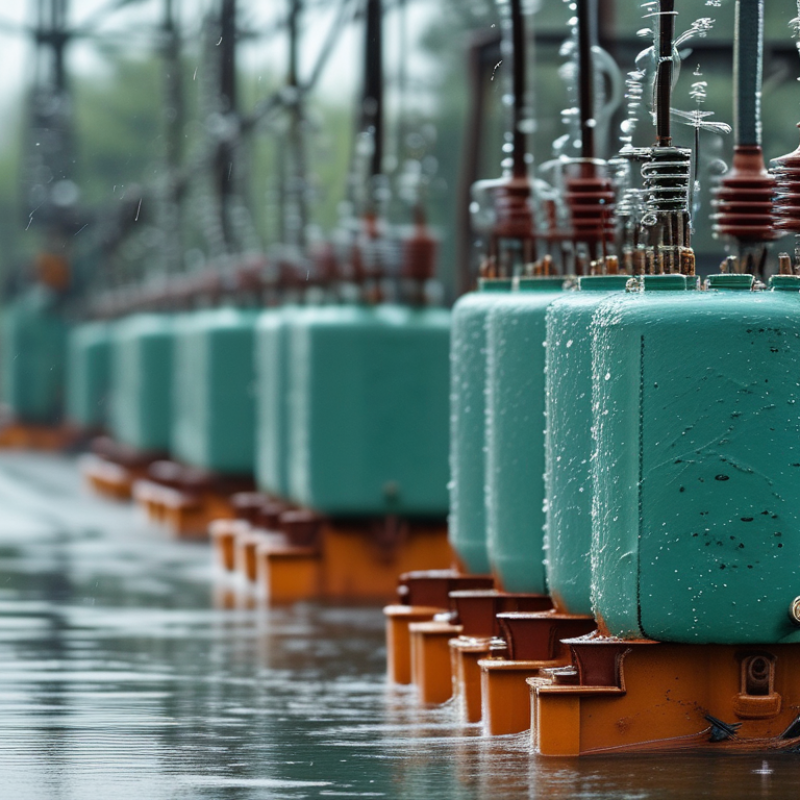
Moisture poses a significant threat to the insulation in oil-immersed transformers. With a moisture content as low as 0.1% in the insulation, the deterioration of dielectric strength can occur. According to industry reports, the presence of moisture can reduce the life expectancy of transformer insulation by as much as 25%. This reduction can lead to premature failures, impacting the reliability of power systems.
The interaction between moisture and various insulation materials results in chemical changes. These changes can lead to the formation of byproducts that further degrade insulation integrity. For instance, moisture can cause the formation of acids in transformer oil, which can corrode internal components. Studies show that even short-term exposure to high humidity can initiate this degradation process.
Understanding moisture is vital for maintenance strategies. Regular moisture assessment in transformer insulation can detect potential issues early. Tools like moisture sensors monitor levels in real time, providing essential data. Despite advances, many transformers still operate without effective moisture management systems. This gap highlights the importance of ongoing research and development in moisture detection technologies. The industry must prioritize improvements to ensure long-term reliability.
Oil plays a crucial role in transformer insulation. It serves as both a coolant and an insulator. Proper dielectric strength is essential for optimal operation. Studies indicate that transformer oil must maintain a minimum dielectric strength of 30 kV/cm. Moisture reduces this strength, creating a pathway for electrical discharges.
The interaction between moisture and oil can lead to significant issues. Moisture reduces the thermal conductivity of the oil, disrupting heat dissipation. This can elevate operating temperatures. Elevated temperatures can further decompose the oil, accelerating moisture absorption. Data from the IEEE suggests that even a small moisture content, as low as 0.1%, can drastically affect the performance and lifespan of insulation materials.
The presence of moisture can also lead to the formation of acids and sludge. These byproducts can corrode transformers and lead to electrical failures. Regular testing for moisture content is vital. The recommended threshold is below 20 parts per million (ppm), as levels above this can signal potential risks. Monitoring oil quality not only ensures reliability but also extends the transformer's operational lifespan.
Moisture poses a significant threat to oil-immersed transformers, primarily due to its various sources and types. Common sources of moisture include humidity in the air and leaks in the transformer structure. Even minor imperfections in seals can allow moisture intrusion, leading to contamination. This is particularly problematic for transformers that operate in humid environments. Moisture can infiltrate the insulating oil or accumulate on insulation surfaces, compromising their integrity.
There are different types of moisture found in transformers. Free moisture exists as liquid droplets in the oil, while absorbed moisture is contained within the insulation materials. Both forms are detrimental. Free moisture can lead to electrical breakdown, while absorbed moisture reduces the effectiveness of insulation. The distribution and amount of moisture can vary, often reflecting the transformer's operational history and environmental context. Regular monitoring is crucial to identify moisture levels. Operators must be vigilant. Despite advancements, addressing moisture-related issues remains challenging in transformer maintenance.
Moisture intrusion poses significant risks to oil immersed transformers. It can compromise insulation integrity. When moisture enters, it creates a conducive environment for oxidation. This can lead to the breakdown of insulating materials. As a result, the lifespan of transformer components can be drastically reduced. Impurities in the oil also increase, as moisture interacts with it.
The performance of transformers heavily relies on their insulation properties. Moisture-laden insulation can exhibit reduced dielectric strength. This will ultimately lead to increased failure rates. Electrical discharges become more likely, causing further damage. Increased maintenance costs and unplanned downtime are common consequences. These issues can affect the overall efficiency of power systems.
Transformers must be regularly monitored for moisture levels. Early detection of moisture can mitigate risks. Regular maintenance and proper sealing procedures are essential. However, some operators may overlook these practices. This negligence can result in catastrophic failures. Incorporating moisture control measures is not just an option; it is vital for operational longevity. Perhaps there is room for improvement in industry standards related to moisture management in transformers.
| Moisture Impact | Consequences | Preventive Measures |
|---|---|---|
| Degradation of Insulation | Shortened transformer lifespan | Regular moisture testing |
| Corrosion of Metal Parts | Reduced electrical conductivity | Use of corrosion-resistant materials |
| Increased Dielectric Loss | Overheating of transformer | Maintaining optimal oil levels |
| Insulation Breakdown | Risk of dielectric failure | Implementing effective sealing |
| Formation of Sludge | Impaired transformer operation | Regular oil filtration and purification |
Moisture poses significant risks to the insulation systems of oil-immersed transformers. When moisture permeates insulation, it compromises dielectric strength. This can lead to insulation failure, short circuits, and operational downtime. Transformer owners must prioritize moisture management to ensure reliability.
Regularly inspecting transformers for signs of moisture intrusion is vital. Utilize moisture sensors to monitor levels carefully. Take corrective actions immediately if high moisture levels are detected. This proactive approach can help avoid costly repairs.
It’s essential to maintain a dry environment around transformers. Installing dehumidifiers in transformer rooms can aid in moisture control. Scheduled maintenance checks can also assist in identifying potential leaks early. Consider using moisture-resistant insulation materials to enhance overall system durability. Regular training for maintenance personnel will ensure they are aware of the importance of moisture control.
: Moisture can significantly reduce dielectric strength, affecting insulation integrity and lifespan.
Moisture can reduce the life expectancy of insulation by up to 25%.
It promotes oxidation, leading to insulation breakdown and increased impurities in the oil.
Even short-term exposure can initiate degradation processes that compromise transformer performance.
Early detection of moisture issues can prevent costly repairs and extend transformer life.
Regular inspections, moisture sensors, and maintaining a dry environment around transformers are essential.
They provide real-time data on moisture levels, allowing for immediate corrective actions when necessary.
Many transformers lack effective moisture management systems, highlighting the need for improvements.
Neglecting moisture management can result in catastrophic failures and increased maintenance costs.
Using moisture-resistant materials and conducting regular training on moisture control can help.
Moisture poses a significant threat to oil-immersed transformer insulation, primarily due to its detrimental effects on electrical performance and insulation integrity. Understanding why moisture is dangerous for oil-immersed transformer insulation requires a thorough exploration of moisture sources and its interaction with transformer oils. Moisture can seep into transformers from various sources, including environmental factors and operational conditions, leading to reduced dielectric strength and increased risk of failure.
The consequences of moisture intrusion can significantly impair transformer performance and shorten its lifespan. Moisture can lead to insulation degradation, create electrical pathways, and promote corrosion of internal components. To mitigate moisture damage, effective strategies such as proper sealing, regular monitoring, and maintenance practices are essential. By addressing the root causes of moisture ingress, the reliability and longevity of oil-immersed transformers can be enhanced, ensuring efficient operation in electrical systems.

Pirooz Power