Maintaining a cast resin dry type transformer is essential for its longevity and efficiency. According to industry expert John Smith, "Regular maintenance is the key to maximizing transformer lifespan." Proper care ensures that these transformers operate smoothly, reducing the risk of failures.
To understand how to maintain a cast resin dry type transformer properly, one must look at various maintenance aspects. Regular visual inspections can reveal early signs of wear, such as overheating or discoloration. Moreover, keeping connections tight and secure is necessary to prevent arcing. Additionally, maintaining a clean environment around the transformer helps to avoid dust accumulation, which can hinder performance.
Despite these measures, challenges like environmental factors can complicate maintenance efforts. Unexpected issues may arise, requiring a proactive approach. Addressing these concerns promptly is vital to ensure optimal operation. Ignoring small problems can lead to larger, costlier repairs later. Prioritizing regular and detailed maintenance will ultimately ensure that the transformer remains reliable over time.
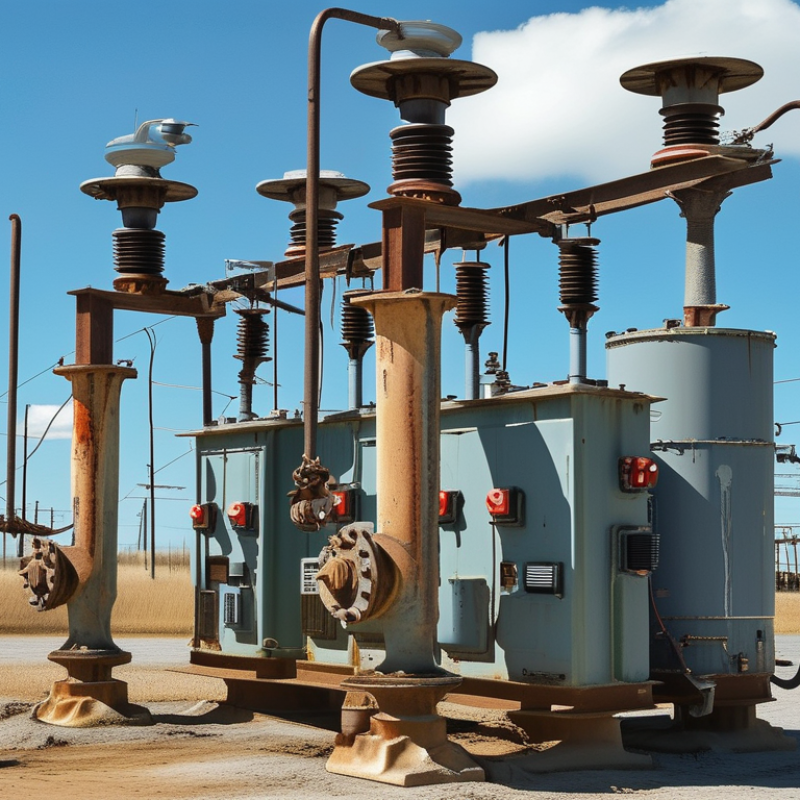
Understanding the Components of a Cast Resin Dry Type Transformer
A cast resin dry type transformer consists of several key components that ensure its efficient operation. The core, typically made of electrical steel, provides a magnetic path for the energy. Unlike oil-filled transformers, the core in these transformers does not require liquid insulation, which reduces maintenance needs. The epoxy resin, used for insulation, provides durability and resistance to environmental factors.
Winding conductors made of copper or aluminum are crucial for energy conduction. They are encased in the resin, which protects them from moisture and other contaminants. This design contributes to the transformer’s reliability. Despite their robust construction, these transformers can have issues like overheating. Regular thermal checks are necessary to monitor performance.
Proper ventilation is essential. The design allows for air circulation around the device, but dust can accumulate, leading to overheating. Routine cleaning is vital. While the materials used offer excellent protection, they do not eliminate the need for regular inspections and testing. Small cracks or insulation degradation can occur, which can affect performance. Regularly assessing these factors promotes a longer operational life for the transformer.
Importance of Regular Inspection and Maintenance Procedures
Regular inspection and maintenance of cast resin dry type transformers is crucial for their longevity and performance. Research shows that transformers that undergo regular checks can avoid up to 75% of unexpected failures. Regular inspections help identify issues like insulation degradation early. This proactive approach ultimately reduces downtime and repair costs.
Data from industry reports indicate that about 20% of transformer failures stem from inadequate maintenance. Techniques such as thermal imaging can spot problems that are not visible to the naked eye. Using sensors to monitor temperature and humidity can provide real-time insights into transformer health. These methods increase reliability.
However, maintenance can often be neglected. A lack of awareness about the importance of routine inspections may lead to costly mistakes. Many facilities operate under the assumption that once installed, transformers do not require attention. This mindset is flawed. Ensuring that experts perform regular evaluations can significantly extend the life of transformers, contributing to smoother operations.
Cleaning Techniques for Cast Resin Transformers
Cleaning cast resin dry type transformers is essential for ensuring their longevity and optimal performance. Dust and debris can accumulate over time, potentially affecting the efficiency of the transformer. According to industry reports, maintaining cleanliness can enhance performance by up to 15%. Regular checks and cleaning can prevent overheating and reduce the risk of failures caused by external factors.
When cleaning, it's important to use non-conductive materials to avoid damaging electrical components. Gentle brushes and vacuum cleaners can help remove dirt without risking harm. A study indicates that using the right cleaning technique can extend the lifespan of transformers beyond 30 years. Thus, technicians must follow proper procedures to ensure thorough cleaning.
Tips: Always inspect the transformer before cleaning. Look for any signs of wear or damage. Clean in dry conditions to prevent moisture-related issues. Regular maintenance checks can catch potential problems early, ensuring consistent performance. Remember, cleanliness supports longevity, but improper cleaning can lead to costly repairs. Prioritize careful selection of cleaning tools and methods.
Maintenance Frequency of Cast Resin Dry Type Transformers
Monitoring Temperature and Environmental Conditions
Monitoring the temperature and environmental conditions of a cast resin dry type transformer is crucial for its longevity and efficiency. These transformers are inherently sensitive to heat. Regular temperature checks help prevent overheating, a common issue that can lead to failure. Ideal operating temperatures typically range from -25 to +40 degrees Celsius. However, ambient conditions can fluctuate. Ensuring the environment remains within the required limits is key.
Dust and moisture can negatively affect performance. Locations with high humidity may require additional monitoring. It is essential to assess conditions regularly, especially in areas with extreme weather. For instance, during hot summers or frigid winters, the risk rises. Lesser-known issues, like stagnant air around the unit, can cause unexpected temperature rises. Transforming energy efficiently hinges on maintaining optimal surroundings.
Inadequate attention to temperature changes can lead to breakdowns. Some operators might overlook small fluctuations, thinking they are insignificant. This complacency could result in larger problems over time. Recording environmental data and establishing a routine for checks can foster reliability. Recognizing the subtle signs of distress in a transformer's performance allows for timely interventions, extending its lifespan.
Troubleshooting Common Issues in Cast Resin Transformers
Troubleshooting common issues in cast resin transformers is crucial for optimal performance. One frequent problem is overheating. This usually arises from poor ventilation or excessive load. Monitor the temperature regularly. Ensure that airflow is not obstructed, as it can hinder cooling.
Another issue is insulation failure. Insulation barriers can deteriorate due to moisture ingress or contamination. Regularly inspect the transformer for signs of wear. Look for visible cracks or discoloration on the resin surface. If any irregularities appear, schedule an inspection promptly.
**Tips:** Keep records of inspections and maintenance activities. This helps identify patterns in performance issues. It also aids in making informed decisions for future maintenance. Be proactive about cleaning the transformer. Dust and debris can build up and affect efficiency.
How to Properly Maintain a Cast Resin Dry Type Transformer? - Troubleshooting Common Issues in Cast Resin Transformers
| Maintenance Task |
Frequency |
Common Issues |
Troubleshooting Steps |
| Visual Inspection |
Monthly |
Physical damage, loose connections |
Check for cracks, tighten connections, and clean terminals. |
| Insulation Resistance Testing |
Annually |
Low insulation resistance |
Test insulation with a megohmmeter and replace faulty components. |
| Thermal Imaging |
Semi-Annually |
Overheating components |
Identify hot spots and assess connections or load conditions. |
| Cleaning |
As Needed |
Dust accumulation, foreign materials |
Use compressed air and appropriate cleaning materials for maintenance. |
| Oil Testing (if applicable) |
Every 3 Years |
Contamination and moisture |
Send samples to a lab for analysis and take corrective actions. |
Conclusion
Effectively maintaining a cast resin dry type transformer is crucial for ensuring its longevity and operational efficiency. To learn how to maintain a cast resin dry type transformer properly, one must first understand the various components involved. Regular inspection and maintenance procedures are vital, as they help to identify potential issues before they escalate. It's important to adopt appropriate cleaning techniques to remove dust and debris, which can impede functionality.
Monitoring temperature and environmental conditions is another key aspect of maintenance, as excessive heat can degrade the materials over time. Troubleshooting common issues, such as unusual sounds or performance dips, is essential in addressing problems promptly. By following these practices, operators can significantly enhance the reliability and durability of cast resin dry type transformers, ensuring continued optimal performance in various applications.

 Pirooz Power