Ensuring safe clearance requirements for oil-filled transformers is crucial for both operational efficiency and safety. According to a report by the IEEE, improper clearance can lead to significant safety hazards and downtime. These transformers play an essential role in the electrical infrastructure, handling high voltage and large amounts of oil. Therefore, understanding what are the safe clearance requirements for oil filled transformers is paramount.
Clearance requirements can vary based on equipment type and voltage levels. The National Electric Code (NEC) provides guidelines that highlight minimum distances necessary to prevent electrical faults and ensure fire safety. For instance, clearance from combustible materials should be at least 3 feet. Regular inspections and adherence to standards can prevent catastrophic failures, yet many facilities fail to maintain these guidelines.
Despite the availability of standards, many industry players overlook safe clearance practices. This neglect can lead to dangerous situations, including fire risks and equipment damage. Continuous education and rigorous enforcement of clearance protocols are vital in addressing these issues. Fostering a culture of safety will help mitigate risks associated with oil-filled transformers and improve overall reliability in electrical systems.
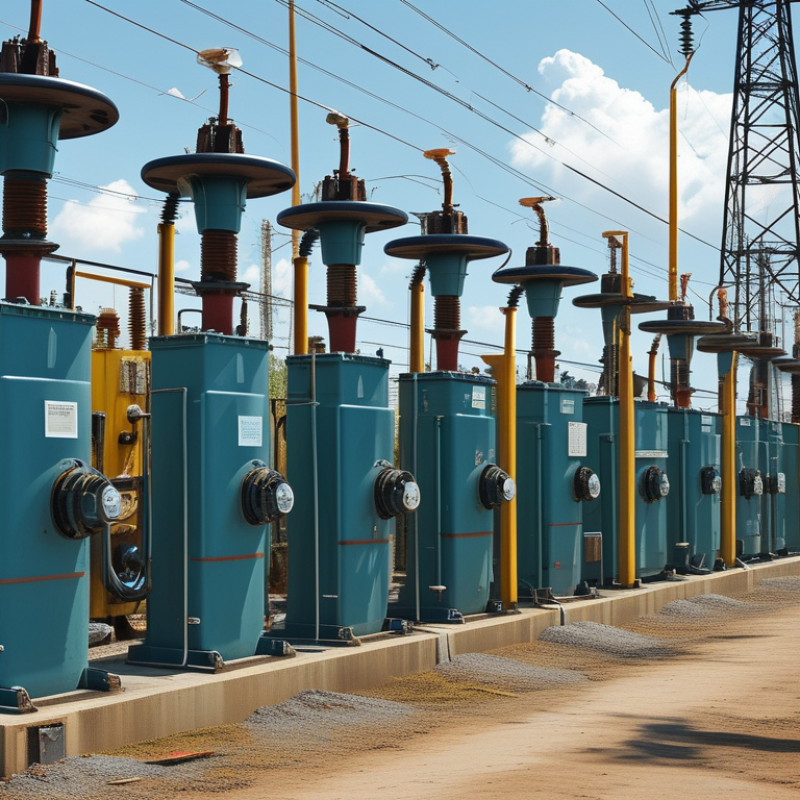
Oil filled transformers play a crucial role in power systems. Their design includes several components that require specific clearance levels to ensure safety and functionality. Proper clearance prevents overheating and potential electrical faults. Maintaining the right distances from conductive materials is vital for safety.
Understanding clearance requirements begins with considering environmental factors. Temperature changes can cause expansion. This expansion may reduce necessary clearances. Regularly inspect transformers, especially in changing weather conditions. Ensure that vegetation or nearby structures do not encroach on required clearances. Unexpected growth can lead to dangerous situations.
Engineers often face challenges when determining these clearances. Local regulations may vary, complicating compliance. It’s essential to stay updated on industry standards. Documentation of measurements is key. This practice not only aids compliance but also facilitates future audits. Adapting to changing guidelines and environments is a continuous process.
This chart represents the recommended clearance measurements for oil filled transformers based on different voltage levels. These clearances are essential for ensuring safety and compliance with industry standards.
When dealing with oil-filled transformers, safety regulations play a crucial role in ensuring both functionality and safety. Compliance with relevant regulations is essential. Key safety considerations include proper spacing for clearance between transformers and other structures. This clearance mitigates the risk of fire and explosion. Regular inspections are vital for identifying potential hazards.
Identifying the standards set by recognized organizations is necessary. These guidelines often dictate minimum distances. However, translating these regulations into practice can be challenging. Many installations overlook specific local codes. This oversight can lead to unsafe conditions. It is crucial to regularly review regulations and adapt to changes in technology and safety practices.
Training personnel on these safety protocols creates a safer work environment. A well-informed team can spot issues early. Yet, the complexity of regulatory requirements sometimes leads to confusion. Continuous education is necessary to address this gap. Each installation must be unique, tailored to its environment and risk factors. The commitment to safety should be proactive, not reactive.
When assessing the environmental factors around oil-filled transformers, clarity is essential. The area surrounding a transformer must be free from obstacles that could impede safety. Vegetation plays a crucial role in this. Tall trees or bushes can obstruct maintenance access and increase fire hazards. Regular inspections of the area should not be overlooked.
Rain and flooding are also significant factors. Water accumulation can lead to electrical hazards and damage. Drainage systems must be designed thoughtfully to prevent water buildup. Moreover, temperature variations can affect equipment performance. Understanding the local climate helps in planning for transformer stability.
Human activity near transformers can pose risks too. Construction work or heavy machinery operations might unintentionally damage infrastructure. Adequate signage and barriers should be installed around the transformer zones. While we strive for optimal conditions, the unpredictability of natural events requires continuous monitoring. Regular risk assessments can help in adapting to these challenges.
Regular maintenance is crucial for ensuring safe clearance requirements for oil-filled transformers. According to industry reports, over 50% of transformer failures are linked to inadequate maintenance. Implementing a regular schedule for inspections and servicing can significantly reduce the risks associated with transformer operation. Attention to details, such as checking oil levels and moisture content, is essential. Moisture can degrade insulation, leading to dangerous electrical short circuits. A clear maintenance plan can enhance system longevity and reliability.
Tips for achieving optimal clearance safety include conducting thermal imaging inspections. This method identifies hot spots that may indicate potential failures. Regularly checking and cleaning insulation will also reduce fire risks. Remember that even minor issues can escalate into significant hazards if not addressed promptly. Empower your maintenance team with training on recognizing warning signs during inspections.
Another aspect to evaluate is vegetation management around transformers. Overgrown plants can obstruct ventilation and create fire hazards. A study showed that maintaining a clear zone of at least 10 feet around transformers can significantly reduce fire risks. Awareness of such factors plays a vital role in ensuring not just functionality but also safety. Regular reviews of clearance requirements can help in monitoring these essential standards effectively.
Ensuring safe clearance requirements for oil-filled transformers starts with robust training. Personnel must understand clearance compliance thoroughly. This includes the physical space around transformers. Clearances are essential for both safety and equipment functionality. A well-defined zone around the transformer prevents accidental contact. It also helps in maintenance without hazards.
Training sessions should include real-life scenarios. Simulations help staff grasp potential risks. These sessions should cover emergency procedures as well. Often, personnel overlook small details. Miscalculations can lead to dangerous situations. Regularly updating training materials keeps safety protocols current. Engaging employees in discussions about their experiences can highlight common pitfalls.
It’s crucial to encourage a culture of safety. Workers should feel empowered to speak up. They need to understand their role in ensuring compliance. Detailing specific responsibilities enhances accountability. Incorporating feedback loops can improve safety practices. Regular assessments may expose weaknesses in the training. Continuous improvement is vital in this field.
: Clearance ensures safety and equipment functionality. It prevents accidental contact and facilitates maintenance access.
Tall trees and bushes can block access for maintenance. They also increase fire hazards near transformers.
Rain, flooding, temperature variations, and human activities are key factors that can affect transformer safety.
Water accumulation can cause electrical hazards and damage to the equipment. Proper drainage is essential.
Training should include understanding compliance, emergency procedures, and real-life scenarios to manage potential risks.
Workers should feel empowered to report hazards. Clear responsibilities can enhance accountability in maintaining safety.
Outdated training may overlook important safety protocols, increasing the risk of dangerous situations.
Natural events can be unpredictable. Ongoing assessments help adapt and maintain safety standards effectively.
Ensuring safe clearance requirements for oil-filled transformers is essential for both operational efficiency and environmental safety. Understanding the specific needs of these transformers involves comprehending their design and operational characteristics, as well as identifying key safety regulations that govern their installation. This includes assessing environmental factors that may impact the necessary clearance distances, such as proximity to structures, vegetation, and other obstructions.
Regular maintenance is crucial to maintaining optimal clearance safety, as it helps prevent potential hazards associated with leaks or failures. Furthermore, training personnel on clearance compliance and safety protocols is vital in creating a culture of safety and awareness around transformer operations. Ultimately, addressing the question of what are the safe clearance requirements for oil filled transformers will lead to more reliable and secure transformer installations while mitigating environmental risks.

Pirooz Power