What is the Difference Between VPI and Cast Resin Transformers?

Time:2026-07-26 Author:Oliver
0%

Transformers play a crucial role in electricity distribution and conversion, and understanding their types can be complex. One of the key distinctions in the transformer world is between VPI (Vacuum Pressure Impregnated) transformers and cast resin transformers. In industry discussions, the question often arises: what is the difference between VPI and cast resin transformers?

VPI transformers utilize a special process to ensure insulation is durable. They feature a robust design that withstands environmental factors, which makes them reliable for outdoor use. On the other hand, cast resin transformers have a different insulation method that allows for excellent moisture resistance. While both types serve similar functions, their construction and application may impact performance and longevity.

Both VPI and cast resin transformers offer distinct advantages. However, this can lead to confusion when choosing the right solution for specific needs. Factors such as cost and installation should also be weighed carefully. By exploring these differences, one gains a better understanding of each type’s benefits and limitations.
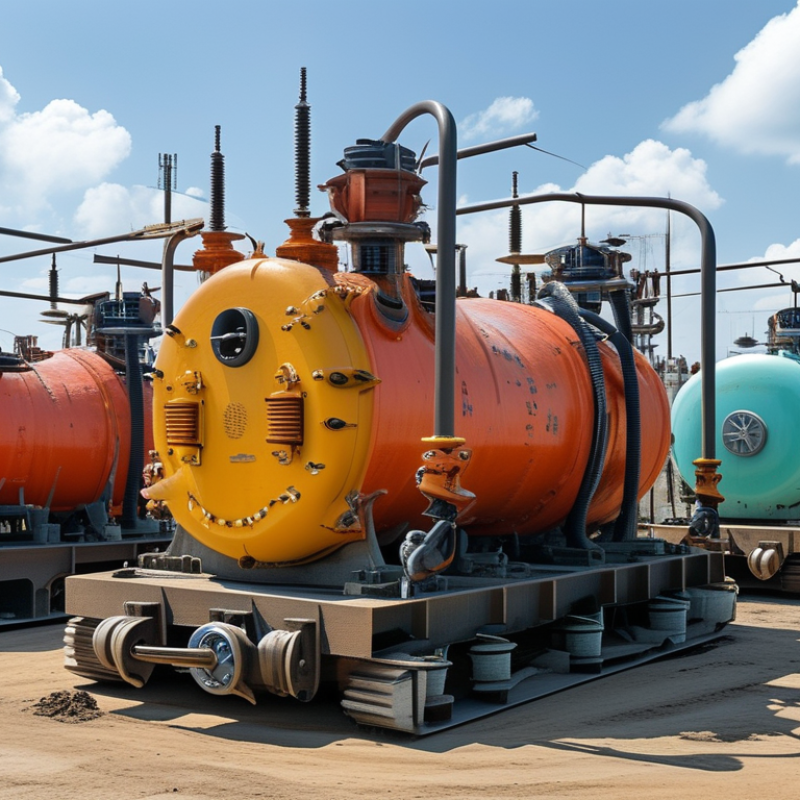
What is the Difference Between VPI and Cast Resin Transformers?

Understanding VPI Transformers: Definition and Applications

VPI transformers, or Vacuum Pressure Impregnated transformers, are specialized electrical devices. They are designed to handle high voltages and are used in various sectors. One of their key features is the use of resin for insulation, which enhances durability. This method significantly reduces the risk of moisture damage.

Applications of VPI transformers are diverse. They can be installed in industrial plants, commercial buildings, and renewable energy facilities. Their ability to withstand harsh environments makes them reliable. However, not all settings may benefit from their use. In some cases, the cost of VPI transformers might be higher than necessary.

When choosing a transformer, consider the specific needs of the application. Assessing the environment and maintenance requirements is essential. Some facilities may find traditional transformers more suitable. It’s crucial to examine both options closely for the best outcome.

Examining Cast Resin Transformers: Features and Benefits

Cast resin transformers are gaining popularity in various sectors due to their unique features and benefits. With a robust design, they are highly resistant to moisture and dust. According to industry reports, cast resin transformers can offer insulation strength under extreme environmental conditions. This characteristic enhances their reliability, especially in applications where safety is paramount.

One significant advantage of cast resin transformers is their low maintenance requirement. Unlike traditional oil-filled transformers, they do not require regular inspections for leaks or fluid levels. The reduction of maintenance efforts can lead to cost savings over time. Data indicates that operation and maintenance costs can drop by up to 30% when opting for cast resin models. However, initial costs can be higher, which might deter some buyers. Reflecting on the long-term savings versus upfront expenditure is essential for informed decision-making.

Cast resin technology also contributes to environmental sustainability. They are constructed from non-toxic materials, minimizing environmental risks. Yet, it is crucial to acknowledge potential limitations, such as size and weight. These can pose challenges in installation, particularly in space-constrained environments. While the benefits are substantial, the overall application must be carefully considered to ensure optimal performance.

Comparing VPI and Cast Resin Transformers

Key Differences Between VPI and Cast Resin Transformers

VPI, or Vacuum Pressure Impregnation, and cast resin transformers serve the same fundamental purpose but differ in several key aspects. VPI transformers use a unique process where resin is drawn into the windings under a vacuum. This method enhances the insulation properties. In contrast, cast resin transformers feature a solid layer of resin molded around the winding, providing substantial protection against environmental factors.

When it comes to durability, VPI transformers often excel in industrial settings. They resist moisture and dust penetration well. Maintenance can be easier due to their design, but any failure in resin cure could lead to serious issues. Cast resin transformers are favored in outdoor applications. Their robust construction allows them to withstand extreme conditions. The cooling mechanism in cast resin units also aids in temperature management.

Both types of transformers have distinct advantages and drawbacks. Users must consider application context. While VPI transformers may be more versatile in certain scenarios, cast resin units provide unmatched environmental resilience. Consulting with experts on these technologies can offer valuable insights. Proper selection ensures optimal performance and longevity of electrical systems.

Factors Influencing the Choice Between VPI and Cast Resin Transformers

When choosing between VPI (Vacuum Pressure Impregnated) and cast resin transformers, several factors come into play. VPI transformers use a unique process to impregnate insulation materials, ensuring robustness and longevity. This method offers exceptional moisture resistance, vital for outdoor settings. They are often favored for industrial applications, where durability is crucial.

On the other hand, cast resin transformers are renowned for their environmental resilience. They are constructed using epoxy resins, which provide superior insulation and can withstand harsh conditions. However, they may have limitations in extreme temperatures. Additionally, installation can be more challenging compared to VPI units.

Financial considerations cannot be overlooked. VPI transformers typically have a higher upfront cost due to the technology involved. However, their extended lifespan may balance the initial investment. In some cases, users may find it challenging to justify the added expense if budget constraints are tight. Ultimately, the choice depends on specific application needs and environmental conditions. Each option has its pros and cons, making reflection necessary before deciding.

What is the Difference Between VPI and Cast Resin Transformers? - Factors Influencing the Choice Between VPI and Cast Resin Transformers

Criteria VPI Transformers Cast Resin Transformers
Insulation Method Vacuum Pressure Impregnated with a liquid insulation Encapsulated in epoxy resin
Cooling Method Air or Oil-cooled Air-cooled
Installation Environment Indoor or Outdoor with protection Suitable for harsh outdoor environments
Resistance to Moisture Moderate High
Maintenance Regular maintenance required Low maintenance
Cost Generally lower upfront cost Higher initial investment
Lifespan 15-30 years Up to 40 years or more

Maintenance and Lifespan: VPI vs. Cast Resin Transformers

When comparing VPI (Vacuum Pressure Impregnated) and cast resin transformers, maintenance and lifespan are crucial factors. VPI transformers use a unique method to enhance insulation. This process allows them to withstand harsh environments better than many alternatives. They can last for decades with proper care. Regular inspections can help identify potential issues early.

Cast resin transformers are often favored for their robustness. Their insulation is solid and can resist moisture. This quality reduces maintenance needs significantly. However, they may require occasional checks for wear and tear, especially in high-traffic areas. While they are typically reliable, lack of maintenance can lead to unexpected failures.

Both transformer types have their unique benefits and challenges. VPI transformers need careful handling during maintenance. Proper tools and trained staff are critical. Cast resin transformers can be more forgiving but are not entirely maintenance-free. Understanding their specific needs can extend their operational lifespan significantly.

FAQS

: What are cast resin transformers known for?

: They are known for their robust design and high resistance to moisture and dust.

How do cast resin transformers impact maintenance costs?

They require low maintenance, potentially reducing costs by up to 30% over time.

Are cast resin transformers environmentally friendly?

Yes, they are made from non-toxic materials, minimizing environmental risks.

What is one limitation of cast resin transformers?

Their size and weight can complicate installation in space-constrained environments.

How do VPI transformers differ from cast resin transformers?

VPI uses a vacuum process for insulation; cast resin has a solid resin layer for protection.

In which applications are cast resin transformers preferred?

They are favored for outdoor applications due to their robust construction.

What should be considered when selecting between VPI and cast resin transformers?

Factors like application context, environmental conditions, and budget are important.

Why might some buyers hesitate to choose cast resin transformers?

The higher initial costs can discourage customers despite long-term savings.

What is a potential drawback of VPI transformers?

Any failure in the resin cure can lead to serious issues.

Can VPI transformers provide moisture resistance?

Yes, they offer exceptional moisture resistance, making them ideal for outdoor settings.

Conclusion

In the discussion of "what is the difference between VPI and cast resin transformers," it is essential to understand the distinct characteristics and applications of each type. VPI (Vacuum Pressure Impregnated) transformers are known for their robust insulation system and ability to perform well in environments with high humidity and temperature variations. They are widely utilized in industrial settings due to their durability and reliability.

On the other hand, cast resin transformers feature a resin insulation method that offers advantages such as excellent resistance to environmental conditions and reduced risk of fire hazards. When choosing between VPI and cast resin transformers, factors like installation environment, maintenance requirements, and lifespan must be considered. While VPI transformers may require more frequent maintenance, cast resin options can often last longer with minimal upkeep. Understanding these nuances aids in making an informed decision for specific electrical applications.

Oliver

Oliver

Oliver is a seasoned marketing professional with a wealth of expertise in driving brand awareness and engagement. With a deep understanding of our company's product offerings, he consistently delivers high-quality content that enriches our professional blog. His insights not only shed light on......