In the realm of electrical engineering, handling oil leaks in substation transformers is critical. These transformers play a vital role in power distribution. An oil leak can lead to safety hazards and operational inefficiencies. Many professionals wonder how to handle an oil leak in a substation transformer efficiently.
Identifying the source of the leak is essential. Regular inspections can make this task easier. However, some leaks may be hard to detect initially. The risk of serious damage increases if leaks go unnoticed. Understanding the properties of insulating oil helps in addressing these issues. Timely action can minimize risks.
Another aspect to consider is training personnel. Equipping them with the right knowledge enhances response efforts. It is vital to employ proper containment and cleanup measures. These steps not only ensure safety but also uphold environmental standards. Although challenges arise, a well-structured approach can lead to effective management of oil leaks.
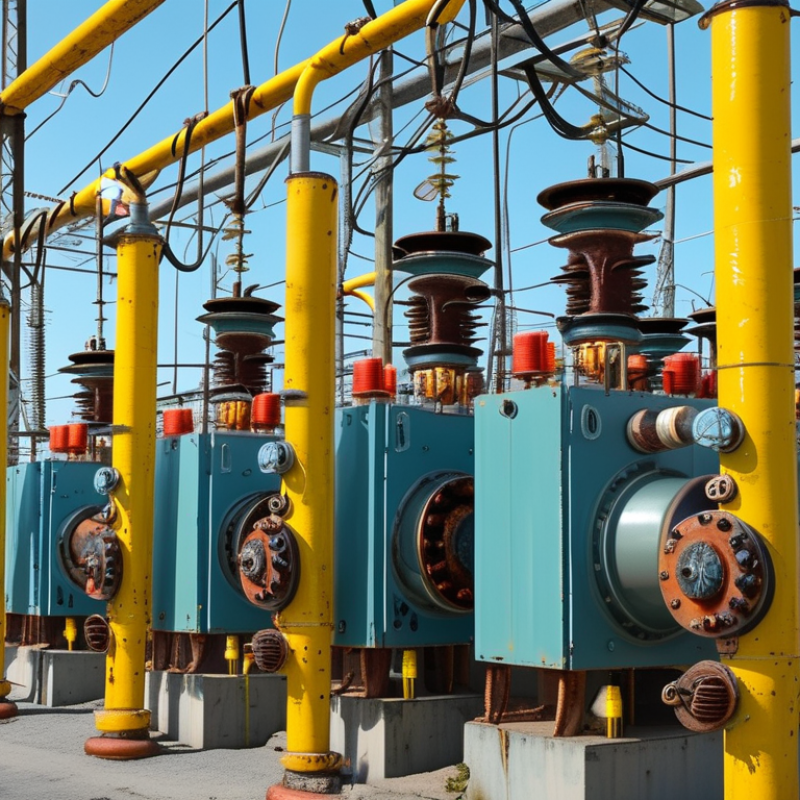
Oil leaks in transformer substations can stem from various causes.
Common reasons include deteriorating seals, physical damage, and excessive pressure. Aging transformers are often more susceptible.
Over time, insulation materials lose their integrity. This deterioration can lead to leaks that pose risks.
Regular inspections are crucial for identifying potential issues.
Technicians should examine seals, junctions, and physical conditions. However, it’s challenging to predict the extent of wear accurately.
Human oversight may lead to missed signs. For instance, small leaks can go unnoticed, escalating into significant failures.
Environmental factors also play a role. Temperature fluctuations can affect oil viscosity, leading to stress on seals.
This can be hard to manage effectively. While maintenance practices can mitigate some risks, not all can be eliminated.
Continuous learning from past incidents is essential. Each leak provides insights into improvement areas.
Identifying symptoms of an oil leak in substation transformers is crucial for preventing major failures. Early signs may include visible oil stains around the transformer base. These stains indicate potential leaks that require immediate investigation. Additionally, an unusual odor of oil could suggest leakage, impacting air quality. Operators should routinely monitor these indicators to ensure efficient operation.
Temperature fluctuations can signal a problem. If a transformer shows unexpected spikes in temperature, it might be due to reduced oil levels caused by leaks. According to studies, lack of proper maintenance can elevate the risk of such leaks, potentially leading to equipment failure. Regular inspections and testing can prevent costly outages.
To handle an oil leak effectively, always shut down the transformer immediately if you suspect a leak. Use absorbent pads to contain the oil and prevent environmental damage. Document each incident meticulously. Regular training for staff about recognizing symptoms and emergency protocols is vital. These practices not only uphold safety but also extend equipment lifespan. Keeping an eye on these details can lead to proactive management of potential issues.
Upon discovering an oil leak in a substation transformer, immediate action is crucial. The first step is to assess the situation. Look around for visible signs of oil pooling. Check if there is any unusual noise coming from the transformer. Maintaining a safe distance is essential. Oil leaks can pose environmental risks and immediate safety concerns.
Activate your emergency protocols. Inform your supervisor and relevant teams without delay. They can initiate an investigation to locate the leak's source. Use absorbent materials to catch any visible oil. This can prevent further environmental damage. It’s also essential to document the leak and any actions taken. Photographs can serve as valuable evidence for analysis later.
While it might be tempting to attempt repairs personally, this isn’t advisable. The complexities of transformer systems require specialized knowledge. Making false assumptions can lead to further issues. Each incident provides valuable lessons. Regular training can help staff respond better next time. Learning from these situations is critical for improving safety and reliability.
| Tip Number | Action | Description | Priority Level |
|---|---|---|---|
| 1 | Shut Down Equipment | Immediately turn off the transformer to prevent further oil leakage. | High |
| 2 | Notify Personnel | Inform relevant personnel about the leak to initiate safety protocols. | High |
| 3 | Contain the Spill | Use absorbent materials to prevent the spread of oil. | High |
| 4 | Assess the Leak | Determine the severity and source of the leak for proper action. | Medium |
| 5 | Document the Incident | Keep a record of the leak including time, location, and amount. | Medium |
| 6 | Engage Emergency Services | Contact local emergency services if the leak is hazardous. | High |
| 7 | Clean Up | Follow proper procedures to safely clean up the oil leak. | Medium |
| 8 | Inspect Equipment | Thoroughly check the transformer and surrounding equipment. | Medium |
| 9 | Report the Leak | Notify authorities and fill out necessary forms for regulatory compliance. | High |
| 10 | Review Incident | Conduct a thorough review of the incident to improve future response. | Low |
Handling an oil leak in a substation transformer requires prompt action to mitigate environmental and operational risks. According to the U.S. Environmental Protection Agency, transformer oils contain polychlorinated biphenyls (PCBs), which are hazardous to both human health and the ecosystem. Swift containment is crucial.
Begin by identifying the leak's source. Use absorbent materials like booms and pads around the affected area. This will limit the spread of oil and reduce contamination. Regular inspections and maintenance can help prevent leaks and ensure that equipment remains in optimal condition.
After containing the spill, focus on cleanup. Use a vacuum truck to remove excess oil. Consider employing a licensed hazardous waste contractor. They will ensure proper disposal and adhere to regulations. Training personnel in spill response can help manage future incidents effectively. Ensure that all team members understand their roles and responsibilities.
Conducting regular training can strengthen your emergency response. Keeping spill kits readily available is also essential. Prepare for future incidents by evaluating your response plan. Always consider improvements based on past experiences. Remember that every incident is an opportunity for growth.
Oil leaks in transformers can lead to significant downtime and safety risks. To prevent these issues, it’s crucial to implement effective preventive measures. Regular inspections are vital. Examine seals and gaskets. Check for signs of wear and tear about the transformer body. These small steps can help identify potential leaks early.
Proper maintenance plays a crucial role. Ensure all components are in good working condition. This includes checking oil levels regularly. A decrease in oil can indicate a leak. Conduct pressure tests periodically to detect unseen issues. Training staff on leak detection and reporting can enhance safety protocols.
Containment systems can offer an extra layer of protection. Installing drain pans or barriers around the transformer can help manage spills. Also, using high-quality materials during maintenance helps prevent future leaks. It’s essential to assess any changes in equipment or environmental factors. This proactive approach encourages a culture of safety and responsibility. Each measure, while small, adds to a comprehensive strategy for transformer care.
: Oil leaks can arise from deteriorating seals, physical damage, or excessive pressure, particularly in aging transformers.
Inspections help identify potential issues such as worn seals or damaged junctions before they escalate into major problems.
Technicians might miss small leaks, which can later lead to significant failures if not addressed promptly.
Temperature changes can affect oil viscosity, putting stress on seals and making leaks harder to manage.
Regularly checking oil levels and conducting pressure tests can reveal unseen issues and maintain equipment effectiveness.
Installing drain pans or barriers can help manage spills effectively and protect the surrounding area from contamination.
Training staff enhances safety protocols and fosters a proactive attitude toward identifying and reporting potential leaks.
The unpredictable nature of wear and tear can result in overlooked details during inspections, risking potential leaks.
Using superior materials during maintenance helps reduce the likelihood of future leaks and ensures more reliable operation.
Each leak presents an opportunity to learn, allowing for improvements in maintenance and inspection practices moving forward.
In the context of managing oil leaks in substation transformers, it is crucial to understand their causes and recognize the symptoms that indicate a problem. Common causes may include aging components, mechanical failures, or environmental factors. Once an oil leak is detected, immediate actions must be taken to mitigate any potential harm, such as shutting down the transformer and assessing the situation.
To effectively handle an oil leak in a substation transformer, it is essential to implement containment and cleaning procedures to prevent further environmental impact and ensure safety. Following the cleanup, preventive measures should be adopted to minimize the risk of future leaks, such as regular maintenance checks and monitoring of transformer conditions. By following these guidelines, operators can enhance their preparedness and response plans for oil leaks in substation transformers.

Pirooz Power